How to Build a Cohesive Outdoor Space: 7-Step Guide
Table of Contents
- Start With a Plan: Defining Zones in the Backyard
- How to Choose Outdoor Furniture Materials That Last
- Outdoor Living Space Layout Tips for Real Traffic Flow
- Unify the Look With Color, Texture, and Focal Points
- Blend Hardscape, Landscape, and Indoor-Outdoor Flow
- Lighting and Comfort: The Finishing Layer of a Cohesive Outdoor Space
- Frequently Asked Questions
Last Updated: September 10, 2026
Start With a Plan: Defining Zones in the Backyard
A cohesive outdoor space is a backyard where every element, from the furniture to the plantings to the lighting, feels like it belongs to the same considered design. The most reliable way to get there is to plan your zones before you buy a single piece. Homeowners who purchase beautiful items one at a time often end up with a patio that feels disjointed rather than intentional.
Creating zones in the backyard is the foundation of good spatial planning. Think of your yard as a series of rooms, each with a distinct purpose, connected by clear paths. Most outdoor spaces need three or four:
- An entertaining space for dining and hosting
- A relaxation zone for lounging and quiet mornings
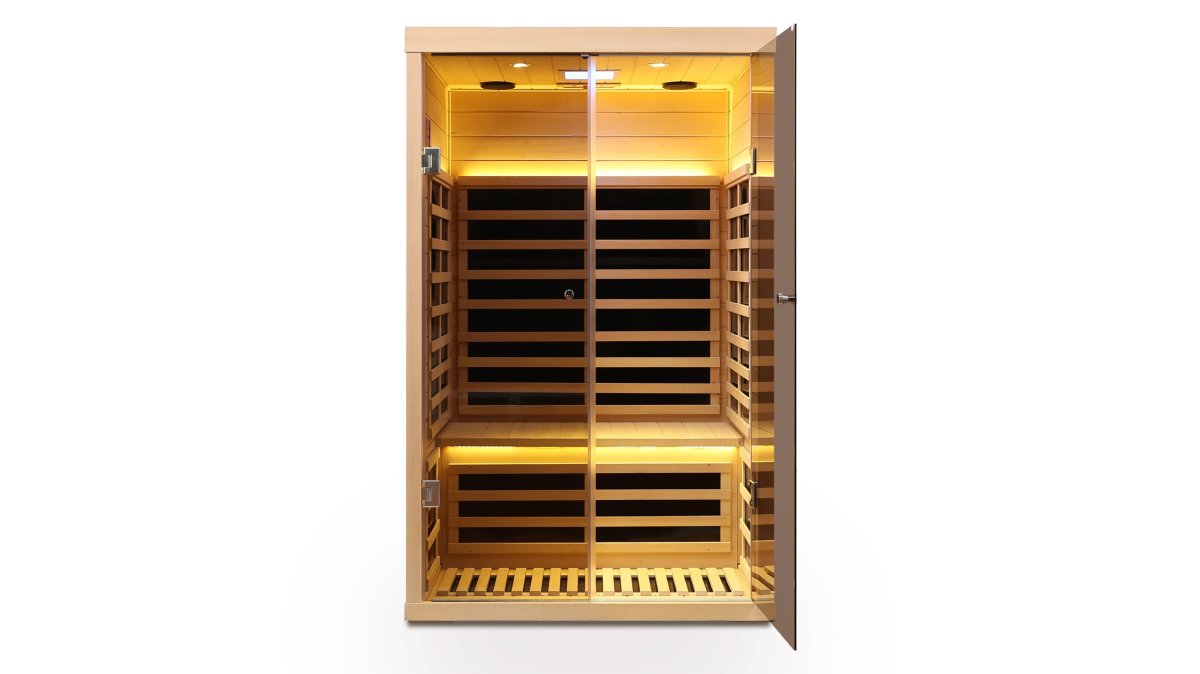
- A wellness corner for a sauna, hot tub, or cold plunge
- A transition area that links the home to the yard
Sketch your layout on paper before committing. Mark where people will walk, where the sun falls in the afternoon, and where you want the eye to rest. This single step prevents the mismatched result that comes from buying on impulse. For a deeper look at how professional designers approach spatial definition, the American Society of Landscape Architects' residential design resources offers useful guidance.
How to Choose Outdoor Furniture Materials That Last
Choosing outdoor furniture materials comes down to matching the material to your climate, your sun exposure, and your maintenance appetite. The right choice lasts for years; the wrong one looks tired after two seasons. Four material families dominate quality outdoor furniture, and each behaves differently over time.
Teak and other dense hardwoods. Teak weathers to a soft silver-gray and resists rot and insects without much care, which makes it a strong fit for covered patios and mixed climates. Left untreated, it patinas; oiled once or twice a year, it holds a warmer honey tone. Other dense hardwoods behave similarly but vary in how quickly they gray. Wood needs to be refinished periodically, so it rewards homeowners who enjoy a small seasonal ritual.
Powder-coated aluminum. Light, rust-resistant, and easy to rearrange, aluminum is ideal for windy spots, pool decks, and balconies where weight matters. The powder coat is what protects the frame, so inspect for chips and touch them up to prevent corrosion underneath. It pairs well with almost any cushion and moves without a second set of hands.
Woven resins. These offer the look of wicker with better durability against sun and rain. High-quality resin weaves resist fading and cracking, while lower-grade weaves can become brittle in intense sun. They are a good choice for covered porches and for households that want the texture of natural fiber without the upkeep.
Stone, composite, and concrete. Natural stone and composite decking anchor the hardscape beneath your furniture and set the tone for everything above it. Stone is heavy and permanent; composite is more uniform and easier to maintain. Whichever you choose, let it echo the material of your furniture so the two read as one design.
Consistency matters more than any single material. Pick one primary material and one accent, then repeat them across seating, tables, and planters. A teak sectional paired with a powder-coated aluminum side table reads as deliberate; five different materials read as accidental.
Climate should guide the final call. In colder regions, choose materials that handle freeze-thaw cycles and store or cover cushions and frames through the off-season (extension.psu.edu). In hot, dry regions, prioritize fade resistance and shade. In humid or coastal areas, favor aluminum, resin, and teak over materials that trap moisture. This is where a climate-conscious plan pays off: durable materials that do not need frequent replacement keep the design unified and reduce long-term waste.
Outdoor Living Space Layout Tips for Real Traffic Flow
Good outdoor living space layout tips all start with one principle: people should move through the space without weaving between furniture. Traffic flow is the invisible structure of a comfortable patio, and it is the element most homeowners overlook.
Start with circulation. Leave a clear path of at least three feet between seating groups and walkways, and widen it to four feet along the main route from the door to the yard (asla.org). Think of that route as a hallway: it should stay open even when the space is full of guests. Arrange seating in conversation circles rather than straight lines, since clusters encourage gathering and define a room without walls.
Anchor each zone so the eye understands where one area ends and the next begins. A rug, a change in paving, or a low planter edge all work as a boundary. Keep the grill and outdoor kitchen near the dining area but out of the main walkway, and place a fire pit or patio heater as a natural focal point that draws people in on cooler evenings. Give each zone a clear purpose and a clear edge, and the whole space reads as intentional even though it is open-concept.
Scale is where layouts succeed or fail. A seating group should leave enough room to pull chairs out and walk behind them. Dining tables need enough clearance for chairs to slide back without hitting a wall or planter. When in doubt, tape the footprint on the ground before you commit, and live with it for a day.
Plan for the seasons, too. A layout that only works in July will feel cramped by October. Leave room for a patio heater or fire feature near the main seating zone, and keep a covered or sheltered corner for the months when weather is less predictable. In colder regions, orient the primary seating toward the afternoon sun and away from prevailing wind. In hot regions, prioritize shade over the seating area and place it where evening breezes reach it. Designing for the full year, not one perfect weekend, is what keeps a space cohesive and usable across seasons.
Unify the Look With Color, Texture, and Focal Points
A cohesive aesthetic is built on restraint. Choose a limited color palette, usually two or three neutral tones with one accent, and repeat it across upholstery, rugs, cushions, and planters. This is what separates a designer-looking patio from a collection of good individual pieces.

Texture keeps a limited palette from feeling flat. Combine smooth surfaces like powder-coated aluminum with the warmth of teak, the softness of outdoor upholstery, and the coolness of natural stone. Textural contrast adds depth without adding color.
Every cohesive space also needs a focal point. It might be a fire pit, a water feature, a statement pergola, or a single dramatic planter. One clear focal point gives the eye a place to land and quietly ties the surrounding elements together. Rug layering under a seating group is one of the simplest ways to define that space and soften the transition from hardscape to furniture.
Blend Hardscape, Landscape, and Indoor-Outdoor Flow
Material transition is where many outdoor projects lose their cohesion. The path from your home's interior to the yard should feel gradual, not abrupt. Carrying a similar tone or texture from inside to out, whether through flooring color, planter style, or fabric, creates visual continuity that makes the whole property feel larger.
On the hardscape side, choose one primary paving material and use it consistently, then let landscape design soften the edges. Planting beds, grasses, and low shrubs blur the line between patio and garden, while architectural elements like a pergola or a low retaining wall give structure. A pergola is especially effective because it bridges hardscape and landscape, framing the sky while defining an outdoor room.
Sustainable and eco-friendly cohesion is an angle worth planning for from the start. Native plantings, permeable paving, and durable materials that do not need frequent replacement all reduce long-term upkeep while keeping the design unified. Climate-specific design matters here too: in colder regions, choose materials that handle freeze-thaw cycles and plan for covered or heated areas so the space stays usable across more of the year.
Lighting and Comfort: The Finishing Layer of a Cohesive Outdoor Space
Lighting and comfort are what turn a well-designed patio into a cohesive outdoor space you actually use after dark and in cooler months. A layered lighting scheme does more for ambiance than any single fixture.
Combine three layers: ambient light for overall glow, task light near the grill or dining table, and accent light to highlight plantings or a focal point. Warm, low-level light reads as inviting, while harsh overhead light flattens the space. String lights, path lights, and a well-placed patio heater extend both the evening and the season.
Comfort is the practical counterpart. Outdoor upholstery with weather-resistant cushions, a fire pit for warmth and gathering, and a patio heater for cooler evenings all keep the space in use. For homeowners building a wellness corner, a sauna, hot tub, or cold plunge can anchor a relaxation zone, and Himalayan salt products add a soft, warm accent. If you have any medical concerns about heat or cold exposure, speak with a qualified healthcare professional before adding these to your routine.
When you are ready to bring the plan to life, explore our premium outdoor furniture and outdoor wellness collections, or reach out to our luxury concierge for personalized guidance on pieces that fit your space, lifestyle, and vision.
Building a cohesive outdoor space is less about a single statement purchase and more about a series of consistent decisions made in the right order. The challenge most homeowners face is holding all those decisions together without getting overwhelmed. That is exactly where The Lavish Sunset helps. Our curated collections of premium outdoor furniture, pergolas, fire pits, and patio heaters, paired with our personalized luxury concierge service, make it simple to choose pieces that work together rather than in isolation. Explore the collection or contact our concierge team to design an outdoor space you will enjoy for years.
Frequently Asked Questions
What are the key elements of a cohesive backyard layout?
A cohesive backyard layout rests on four elements: clear functional zones for dining, lounging, and cooking; a limited color palette carried through furniture, cushions, and rugs; consistent materials such as teak, powder-coated aluminum, or natural stone; and a lighting scheme that ties the areas together after dark. When these four align, the space reads as one designed environment rather than a collection of separate purchases.
How do I choose a color palette for my patio or deck?
Start with two neutrals and one accent. For example, pair warm gray upholstery with natural teak and add a muted olive or terracotta accent through cushions or planters. Repeat each color at least three times across the space so the eye registers it as intentional. If your home's exterior is a strong color, pull one shade from it into the patio to create visual continuity between indoors and out.
What are common furniture mistakes that make a patio look tacky?
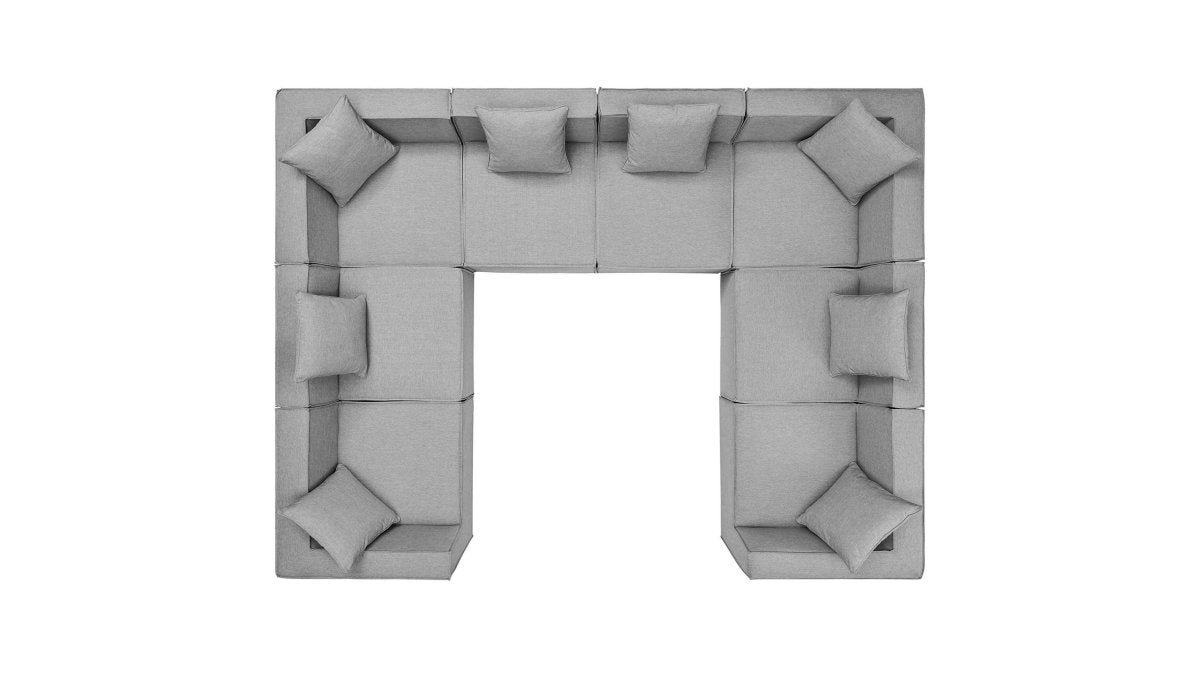
The most common mistakes are mixing too many materials, choosing furniture that is out of scale with the space, and leaving gaps between seating that break conversation flow. A sectional that seats eight on a small patio overwhelms it, while scattered single chairs make the area feel unfinished. Anchor the seating with a rug, keep material choices to two or three, and measure before you buy.
How can I connect my indoor and outdoor living areas?
Treat the doorway as a transition, not a border. Carry one material, color, or shape from inside to outside, such as the same wood tone or a repeated cushion fabric. Keep the sightline from your main interior room aimed at a focal point like a fire pit or water feature. Continuous flooring or a low step also helps the two areas read as a single open-concept space.