Can I Use a Sauna in Winter? Yes. Here's How
Table of Contents
- Is It Safe to Use a Sauna in Winter?
- Winter Wellness: The Benefits of Home Infrared Sauna Therapy
- How Cold Weather Affects Your Sauna and Heating Time
- Sauna Session Duration for Beginners in Cold Months
- Outdoor Sauna Winter Maintenance Tips for Peak Performance
- How to Use a Sauna in Winter: A Step-by-Step Routine
- Post-Sauna Cold Plunge: A Safe Sequence
- Conclusion: Your Winter Wellness Retreat Awaits
- Frequently Asked Questions
Last Updated: September 9, 2026
Is It Safe to Use a Sauna in Winter?
Yes, using a sauna in winter is safe for most healthy adults when you follow sensible precautions. The key is understanding how your body reacts to intense heat followed by cold air, which is a practice that has been part of Nordic culture for centuries. For healthy individuals, the transition from a warm sauna to cold winter air is generally well-tolerated, provided you listen to your body and avoid extreme temperature shock (PubMed).
That said, winter sauna use does require more care than summer sessions. Cold temperatures make your blood vessels constrict, while the sauna's heat causes them to dilate, creating a cardiovascular response that most people find invigorating. If you have heart conditions, high blood pressure, or other health concerns, consult a qualified healthcare professional before starting any sauna routine.

Winter Wellness: The Benefits of Home Infrared Sauna Therapy
The benefits of home infrared sauna therapy become especially meaningful during the colder months. When winter weather keeps you indoors and limits outdoor activity, a regular sauna session offers a way to maintain wellness and circulation. Infrared heat penetrates more gently than traditional steam, warming your body directly rather than heating the air around you.
Many wellness enthusiasts describe the sauna as creating a sort of "artificial fever" that encourages relaxation and stress reduction. The dry, soothing heat can also feel comforting for respiratory health during dry winter months. Beyond physical relaxation, winter sauna bathing creates a ritual of warmth and stillness that supports mental clarity when daylight is scarce.
How Cold Weather Affects Your Sauna and Heating Time
Cold weather directly impacts how hard your sauna must work to reach your preferred temperature. Outdoor units face the elements, while indoor units operate in a more controlled environment. Understanding these differences helps you plan sessions and manage expectations for heating time and energy use.
Outdoor Units: Red Cedar Durability
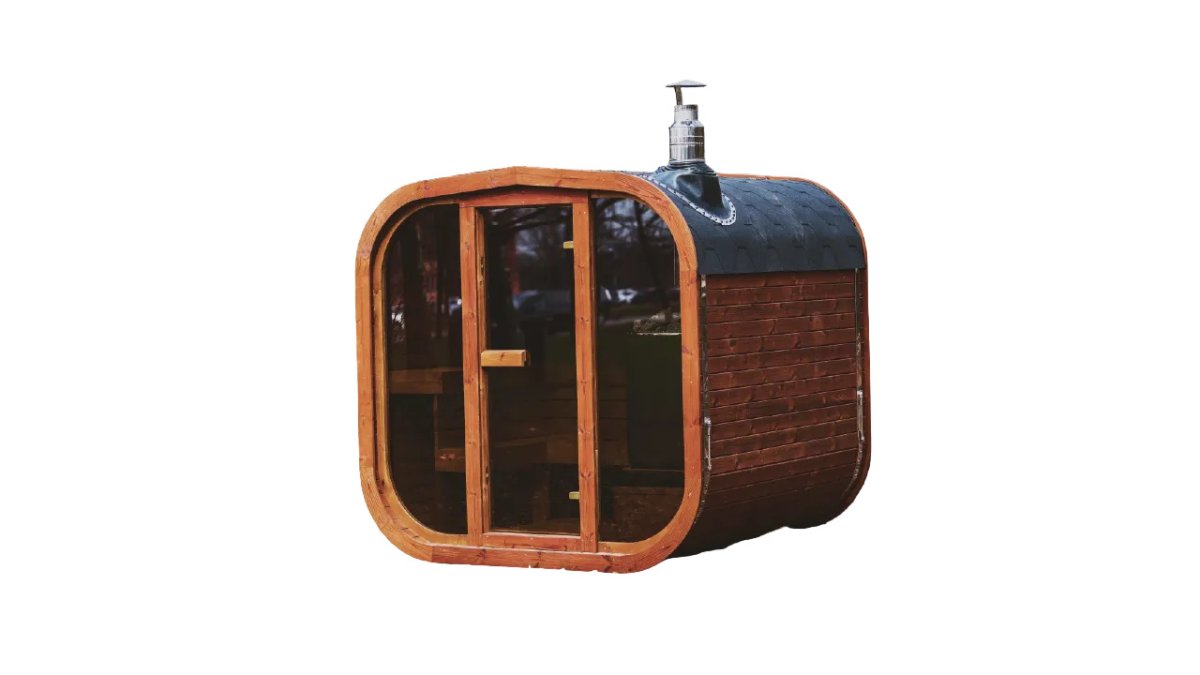
Outdoor saunas built with red cedar siding are naturally weather-resistant, which is why cedar is the preferred choice for backyard installations. Red cedar contains natural oils that resist moisture and decay, helping the structure endure snow, rain, and freezing temperatures. However, in sub-zero temperatures, the cold seeps into the wood and interior, meaning your heater needs more time to bring the space to temperature. Thermal insulation quality varies by model, so check the specifications and allow extra warm-up time on the coldest days.
The Real Cost of Heating in Extreme Cold
A common question is how much more energy it takes to heat a sauna when the mercury drops. The physics are straightforward: the colder the starting temperature, the more energy required to raise the interior to your target heat. For example, heating a sauna from 0°F to 185°F requires a greater energy input than heating it from 40°F to the same temperature (energy.gov). While the exact figures depend on your unit's insulation, volume, and heater wattage, you can expect a noticeable increase in warm-up time and electricity consumption on the most frigid days.
For wood-burning stoves, you will simply go through more wood in deep winter. The stove must work harder to overcome the initial cold soak of the structure. A practical approach is to plan for a longer heating window. If your sauna typically takes 45 minutes to heat in the fall, allow 60 to 75 minutes when the temperature is below freezing. This prevents you from rushing the process and ensures a satisfying, consistent session.
Indoor Units: Consistent Performance
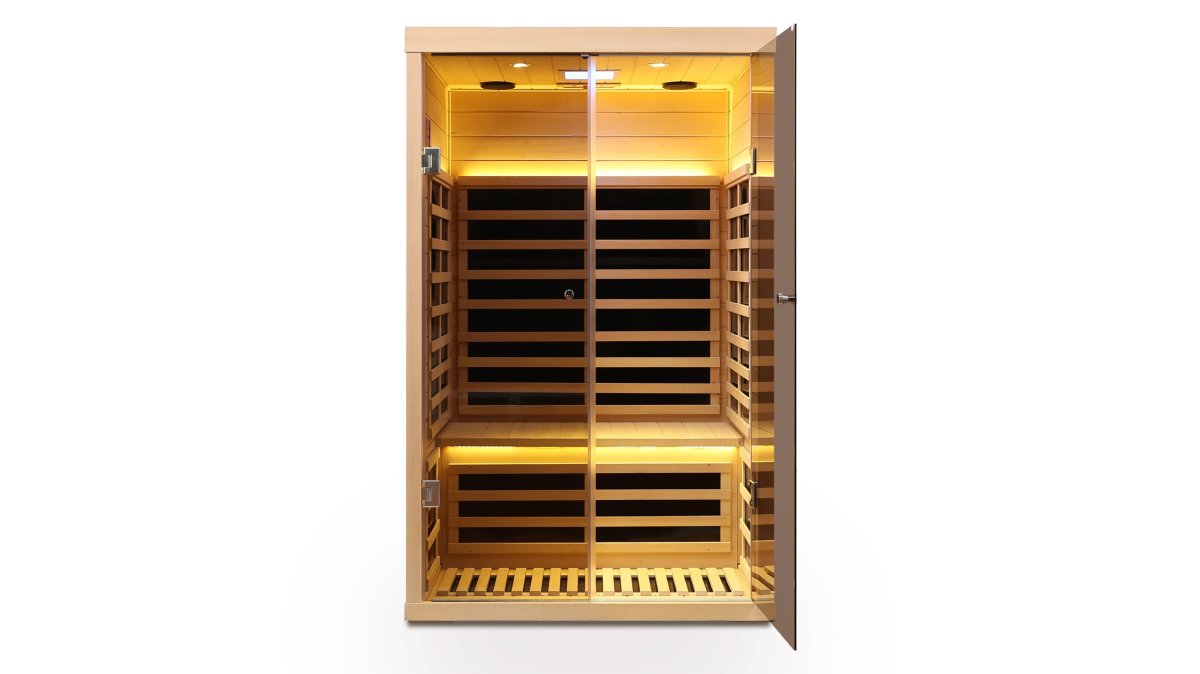
Indoor saunas, such as a hemlock infrared sauna room, perform more consistently because they are shielded from outdoor temperature swings. Since the surrounding environment is already climate-controlled, heating time remains predictable year-round. This makes indoor units a convenient option for those who want a dependable winter wellness routine without the variables of outdoor weather.
A Note on Heater Sizing
When selecting a sauna for winter use, pay close attention to the heater's kilowatt (kW) rating. A heater that is undersized for the room's volume will struggle to reach high temperatures in cold weather, leading to longer warm-up times and higher energy consumption. Most manufacturers provide a recommended room size for each heater model. For an outdoor sauna in a cold climate, it is often wise to choose a heater that is one size larger than the minimum recommendation. This provides a buffer that helps the sauna recover heat quickly after the door is opened and ensures a powerful, penetrating heat even on the coldest nights.

Sauna Session Duration for Beginners in Cold Months
For beginners, the ideal sauna session duration in winter is between 10 and 15 minutes (the CDC). Start at the lower end of that range and gradually increase your time as your body acclimatizes to the heat. This is especially important in winter, when your body is already managing cold stress.
A common mistake is staying in too long because the warmth feels pleasant, then feeling dizzy upon exiting into cold air. Begin with:
- A 10-minute session at a comfortable temperature
- A cool-down break of 5 to 10 minutes outside the sauna
- A second round of 10 to 15 minutes if you feel comfortable
Listen to your body throughout. If you feel lightheaded or overly fatigued, end your session and cool down gradually.
Outdoor Sauna Winter Maintenance Tips for Peak Performance
Outdoor sauna winter maintenance tips center on protecting your investment and ensuring safe, efficient operation. Regular care during freezing months prevents damage and extends the life of your unit. The most significant challenge in winter is not just condensation, but what happens when that moisture freezes.
Moisture Control and Condensation
Condensation is the biggest challenge for outdoor saunas in winter. When warm, humid air meets cold surfaces, moisture forms and can lead to warping prevention issues or mold if left unchecked. Proper ventilation is essential; always allow airflow after your session to let moisture escape. Check the vapor barrier and seals around doors and windows, as cold air can compromise their effectiveness. Wipe down benches and interior surfaces after use to remove excess moisture.
The Hidden Danger of Ice Buildup
A unique winter problem is ice formation inside the sauna structure during off-cycles. After a hot session, the interior is warm and humid. When the sauna cools down, this moisture can condense and freeze on windows, door seals, and even the wood. Over time, this freeze-thaw cycle can stress wood fibers, cause door seals to become brittle and crack, and lead to warping.
To prevent this, follow a simple post-session routine:
- Ventilate thoroughly. Open the door and any roof vents for at least 15-20 minutes after you finish. This allows the warm, moist air to escape before it can cool and condense.
- Wipe down all surfaces. Use a dry towel to remove any visible moisture from benches, walls, and the backrest. Pay special attention to the areas around the door and windows.
- Leave the door slightly ajar. When the sauna is not in use for extended periods in winter, leaving the door slightly open (just a crack) allows for continuous airflow and prevents moisture from becoming trapped. This is a simple but highly effective way to prevent ice buildup and mold.
- Inspect door seals regularly. In freezing temperatures, rubber gaskets can lose their flexibility. Check them monthly for cracks or gaps and apply a silicone-based lubricant to keep them pliable and effective.
Protecting the Exterior
While the interior requires the most attention, the exterior also faces winter's wrath. Heavy snow accumulation against the base of the sauna can trap moisture against the wood. Make it a habit to gently clear snow away from the foundation and lower siding after a storm. This simple step promotes airflow and prevents long-term moisture damage. For saunas with a roof, clear heavy snow buildup to prevent unnecessary weight stress on the structure. Using a soft-bristled broom is safer for the wood than a metal shovel.
How to Use a Sauna in Winter: A Step-by-Step Routine
Following a consistent routine makes winter sauna use both safe and enjoyable. Here is a simple sequence to follow:
- Hydrate before you start. Drink a glass of water before entering the sauna.
- Shower briefly to warm your skin and remove lotions or oils.
- Enter the sauna and sit at a lower bench first to allow your body to adjust.
- Stay for 10 to 15 minutes, breathing steadily and relaxing.
- Exit and cool down gradually. Step into a cooler room or sheltered outdoor area, but avoid plunging directly into snow or ice on your first attempt.
- Rest and rehydrate for at least 10 minutes before deciding on a second round.
This approach emphasizes acclimatization, letting your body transition smoothly between temperature extremes.
Post-Sauna Cold Plunge: A Safe Sequence
The post-sauna cold plunge has gained popularity, but safety requires a deliberate sequence. Cold plunges and snow rolls create thermal shock, which some find exhilarating, but the practice demands respect for your body's limits.
Begin with a brief cool-down period after leaving the sauna. Let your heart rate settle for a few minutes before introducing cold water. Start with a cool shower rather than an ice bath, and only progress to a full cold plunge if you feel comfortable. Limit cold exposure to 30 seconds to 2 minutes initially. Never combine alcohol with sauna and cold plunge sessions, and always have someone nearby when practicing cold immersion.
Conclusion: Your Winter Wellness Retreat Awaits
Winter does not have to mean putting your wellness routine on hold. With the right preparation and a thoughtful approach, a sauna in winter becomes a sanctuary of warmth and calm. Whether you choose an outdoor red cedar unit to brave the elements or an indoor infrared model for consistent comfort, the key is listening to your body and maintaining your equipment properly.
At The Lavish Sunset, we help homeowners create these moments of quiet restoration. Our curated collection of luxury saunas, from hemlock infrared rooms to outdoor cedar cabins, is designed to support your winter wellness goals. We invite you to explore our sauna collection or contact our luxury concierge for personalized guidance on finding the perfect fit for your home.
Frequently Asked Questions
How does cold weather affect the heating time of a home sauna?
For an indoor sauna in a climate-controlled home, there is virtually no difference in heating time. An outdoor sauna in freezing temperatures will take longer to reach your target temperature because the heater must first warm the structure itself. Expect an additional 10 to 15 minutes for a well-insulated cedar unit. Using a sauna in winter is perfectly safe; just plan for a slightly longer warm-up period.
How long should a sauna session last during the winter?
For beginners, a 10 to 15 minute session is a great starting point. As you become accustomed to the heat, you can gradually extend your time to 20 or 25 minutes. Listen to your body and exit if you feel dizzy or lightheaded. The goal is deep relaxation, not endurance. Always allow your body to cool down gradually after your session.
Is it safe to use an outdoor sauna when it is freezing outside?
Yes, it is safe to use an outdoor sauna in freezing temperatures, provided the unit is designed for outdoor use and maintained properly. Quality outdoor saunas use weather-resistant materials like red cedar. The thermal shock of moving from hot air to cold air is part of the appeal for many, but always protect your head with a hat and avoid staying out in the cold for extended periods. Consult a healthcare professional if you have heart conditions.