Why Invest in Premium Furniture: A 2026 Outdoor Guide
Table of Contents
- Why Premium Furniture Changes How You Use Your Outdoor Space
- Best Materials for Outdoor Furniture: Teak, Powder-Coated Metal, and All-Weather Fabric
- How Premium Furniture Differs From Mass-Produced Options
- How to Maintain Luxury Patio Furniture Through Every Season
- Climate-Specific Care: Coastal Humidity, Desert Sun, and Cold Winters
- Repairing vs. Replacing Luxury Finishes
- How Premium Furniture Supports Wellness and Everyday Gatherings
- Frequently Asked Questions
Last Updated: September 19, 2026
Why Premium Furniture Changes How You Use Your Outdoor Space
Premium furniture is built from denser hardwoods, powder-coated metals, and solution-dyed fabrics engineered to hold their shape, color, and structure through years of sun, rain, and temperature swings. At The Lavish Sunset, we see the same pattern again and again: the pieces people actually use are the ones that still look and feel good in year five.


Best Materials for Outdoor Furniture: Teak, Powder-Coated Metal, and All-Weather Fabric
The best materials for outdoor furniture are premium-grade teak, powder-coated aluminum or steel, and solution-dyed all-weather fabric, because each resists moisture, UV exposure, and temperature change without constant intervention. Material choice, not brand name, drives how long a piece lasts and how much maintenance it demands.
Teak and Hardwood Frames
Teak earns its reputation through natural oils that resist rot, insects, and moisture. It weathers to a soft silver-gray if left untreated, or holds a warm honey tone with periodic teak oil. A common mistake is sealing new teak immediately; letting it settle for a season first gives better results.
Powder-Coated Metal and Rust-Resistant Finishes
Powder coating fuses a dry pigment to metal, creating a finish far more chip-resistant than wet paint. Combined with rust-resistant aluminum, it handles coastal humidity and desert sun without the oxidation that plagues untreated steel. Check for full coverage at joints and welds, where corrosion usually starts.
All-Weather Fabric and Cushion Construction
Solution-dyed fabric pushes color into the fiber itself rather than dyeing the surface, so UV exposure doesn't fade it the way it fades printed textiles (Sunbrella Fabric Difference). Quick-dry foam cores let cushions shed water instead of holding it. If a cushion stays soggy for days after rain, the core is the problem, not the cover.
| Material | Best For | Care Rhythm | Watch For |
|---|---|---|---|
| Premium teak | Year-round use, humid climates | Oil annually if you want the honey tone | Untreated gray is normal, not damage |
| Powder-coated metal | Coastal and desert exposure | Rinse monthly, inspect welds | Chips at joints invite rust |
| All-weather fabric | Daily seating, high-traffic patios | Brush and mild detergent each season | Soggy cores signal poor drainage |
How Premium Furniture Differs From Mass-Produced Options
Premium furniture differs from mass-produced options in three measurable ways: joinery, material density, and replaceable components. Mass-produced pieces are often glued and stapled, built to a price, and designed to be discarded when something fails.
How to Maintain Luxury Patio Furniture Through Every Season
How to maintain luxury patio furniture comes down to a simple rhythm: clean routinely, deep-clean seasonally, and protect deliberately. The pieces that last decades are not the ones that never get dirty, but the ones whose owners stay ahead of the dirt and use the right products for the finish in front of them.
Routine Cleaning That Takes Minutes
Routine care prevents most problems. A soft brush or vacuum removes loose debris before it works into fabric or scratches a finish, and a damp cloth handles most surface dust. For metal frames, a monthly rinse removes airborne salt, pollen, and dust before they bond to the coating.
Deep Cleaning by Material
Deep cleaning takes an afternoon, twice a year, and the method depends on what you are cleaning.
The Lavish Sunset Teak Set - Lavish →
Eco-Conscious Cleaning Solutions
For premium finishes, gentler options often work just as well and are easier on surrounding plants, patio surfaces, and waterways.
Hardware Inspection and Tightening
Twice a year, walk the set and tighten every bolt and fastener. Loose hardware is the leading cause of wobble, and wobble stresses joints in ways no finish can compensate for. Check that glides, caps, and protective feet are intact, since missing pieces let metal sit directly on hard surfaces and invite scratches and rust.
Seasonal Storage and Protective Covers
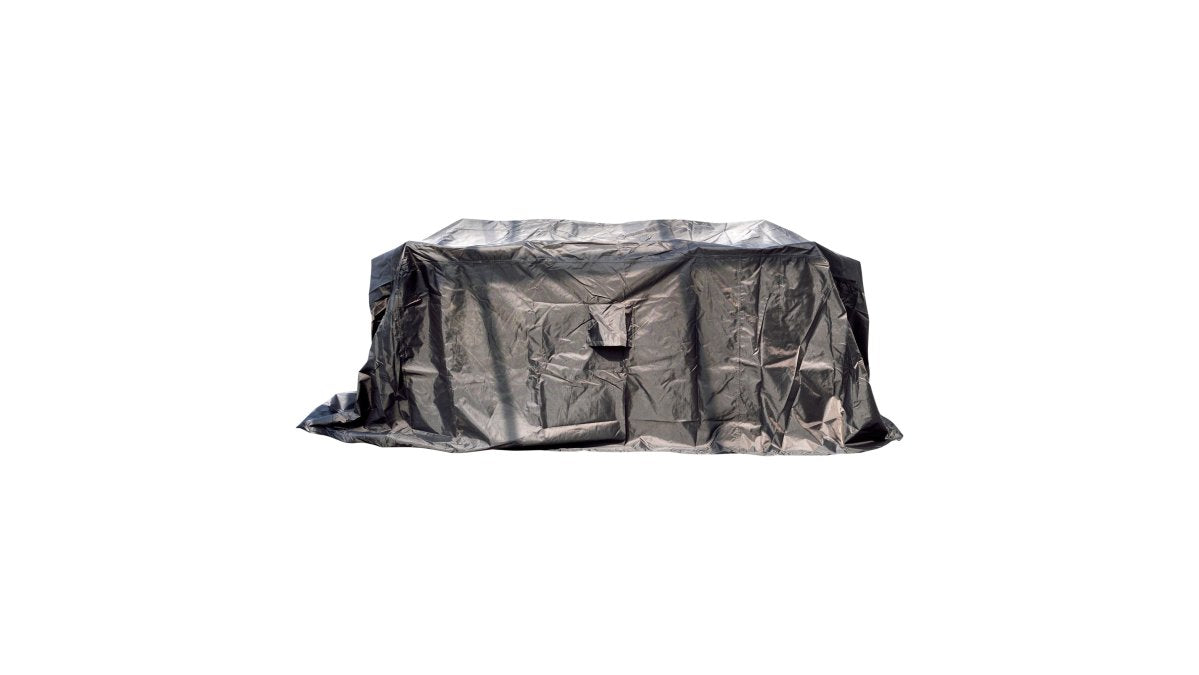
Protective covers matter most in the off-season and during heavy rain, but they need ventilation. Trapping moisture under a sealed cover invites mildew, which is far more damaging than a little dust. Choose breathable covers and always dry the piece before covering it.
A Simple Seasonal Rhythm
- Spring: Deep clean everything, inspect hardware, touch up any chips, and re-oil hardwood if you want the honey tone.
- Summer: Rinse metal monthly, brush cushions weekly, and keep drainage channels clear so water never pools.
- Fall: Clean and dry thoroughly, tighten hardware, and prepare covers for the wet season.
- Winter: Store cushions indoors, cover hardwoods and metals with breathable covers, and check in monthly for moisture or mildew.
Mildew Prevention
Mildew needs moisture, warmth, and still air. Remove any one of the three and it stops. Dry pieces before covering them, choose breathable covers, store cushions indoors, and leave space between stacked items so air can circulate. If mildew appears, treat it early with a diluted oxygen-based cleaner and let the piece dry fully in the sun before returning it to service.
Climate-Specific Care: Coastal Humidity, Desert Sun, and Cold Winters
The same piece ages differently in salt air than in dry heat. A coastal patio faces salt spray and constant humidity; a desert patio faces intense UV and wide day-night temperature swings; a cold-winter patio faces freeze-thaw cycles that work hardware loose.
Repairing vs. Replacing Luxury Finishes
Repairing usually wins over replacing when the frame is sound and only the finish or cushion has aged. Premium pieces often carry specialized coatings and finishes, so knowing which finish you are looking at determines whether a touch-up is a weekend task or a call to a restoration professional.
Reading the Finish Before You Touch It
Start by identifying what is on the surface. Teak and other dense hardwoods are typically finished with penetrating oil, which soaks into the grain and can be refreshed at home. Powder-coated metal is a fused polymer layer, not paint, so it does not blend the way wet paint does.
Teak and Hardwood Finish Restoration
For oiled teak, clean the surface, let it dry completely, then sand lightly with a fine-grit pad in the direction of the grain. Wipe away dust and apply a thin coat of teak oil, letting it soak in before buffing off the excess. One thin coat beats several heavy ones, because thick oil stays tacky and attracts dust.
Powder-Coated Metal Touch-Ups
Powder coat chips are the most common finish failure on metal frames, and they almost always start at joints, welds, and where hardware meets the frame. Clean the chip, let it dry fully, then apply a matched touch-up coating in thin layers until the surface is level with the surrounding finish.
The Lavish Sunset Teak Set - Lavish →
Cushions, Covers, and Replaceable Components
Cushions and covers are the easiest repair category because they are designed to be replaced. If the foam core has lost its loft or stays soggy after rain, replacing the core restores the seat. If the cover is faded or stained beyond cleaning, a replacement cover refreshes the piece without touching the frame.
When Replacement Is the Right Call
Replacement makes sense when structural integrity is gone. Cracked welds, split frames, joinery that no longer holds, or hardware that will not stay tight all point to a frame at the end of its service life. If the frame is solid, you are almost always looking at a refresh rather than a new set.
How Maintenance Choices Affect Warranty Coverage
High-end outdoor furniture warranties typically cover manufacturing defects in materials and workmanship, not damage caused by neglect, improper cleaning, or unauthorized repairs. A few common habits can quietly void coverage:
- Using abrasive cleaners, bleach, or pressure washers on finished surfaces
- Applying non-approved oils, sealants, or paints to hardwood or powder coat
- Making structural repairs yourself instead of through an approved service channel
- Storing pieces in ways that trap moisture and cause mildew or corrosion
How Premium Furniture Supports Wellness and Everyday Gatherings
Premium furniture supports wellness and everyday gatherings by making the outdoor space genuinely usable, which turns a patio into a place people choose to be. Comfortable, stable seating invites longer conversations and slower mornings. That is the point of an outdoor living space: not to look good in a listing photo, but to hold real moments.
Frequently Asked Questions
Is premium outdoor furniture worth the investment?
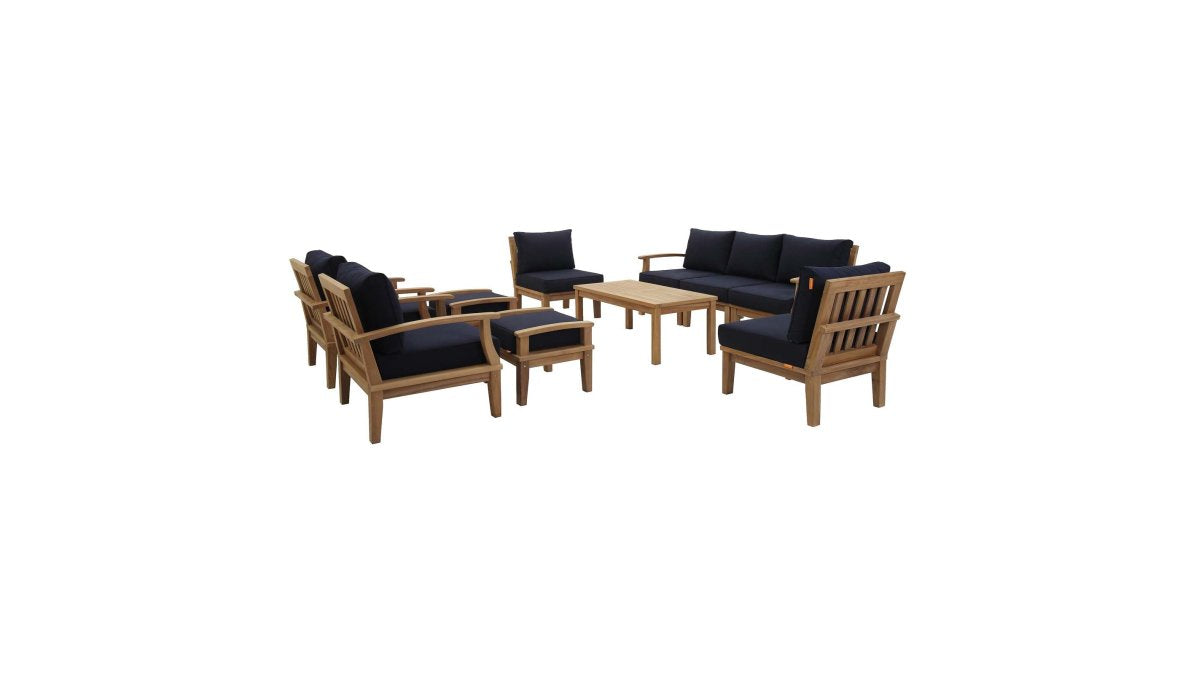
For homeowners who use their patio often, premium furniture usually costs less over time. Teak frames, powder-coated metal, and all-weather fabric resist rot, rust, and fading far longer than entry-level pieces, so you replace them less often. The Lavish Sunset Marina 10-Piece Outdoor Set, for example, is built from premium-grade teak with fade-resistant cushions, so it holds up to outdoor exposure season after season rather than a year or two.
What materials make outdoor furniture high-quality?
Look for three things: a frame that resists moisture, a finish that resists corrosion, and cushions rated for UV exposure. Premium-grade teak, powder-coated metal, and all-weather fabric are the materials that matter most for outdoor pieces. Rust-resistant hardware and proper drainage also keep a set stable and dry. These are the same materials used across The Lavish Sunset's outdoor collections, which is why they stand up to year-round outdoor exposure.
Does high-end outdoor furniture last longer in harsh weather?
It generally does, because the materials are chosen for outdoor exposure rather than indoor use. Teak and powder-coated metal resist rot, rust, and surface oxidation, while all-weather fabric holds its color under strong sun. That said, longevity still depends on care. Routine cleaning, protective covers during off-season storage, and a quick hardware inspection each spring will extend the life of any set, premium or not.
How do I know if outdoor furniture is built to last?
Check the frame material, the joinery, and the weight of the piece. Solid teak and welded, powder-coated metal frames hold up better than thin tubular frames or particleboard cores. Look for rust-resistant hardware, removable cushion covers, and drainage in seat bases. A heavier piece is often a sign of denser, more weather-resistant material. If a listing does not state the frame material or cushion fabric, ask before you buy.