How to Heat an Outdoor Space: A 2026 Buying Guide
Table of Contents
- What You'll Need Before You Heat an Outdoor Space
- Step 1: Match Heat Type to Your Space
- Step 2: Propane vs Electric Patio Heaters, Which Fits Your Setup
- Step 3: How to Choose Fire Pits That Warm and Anchor the Space
- Step 4: Size the Heater to Your Coverage Area and BTU Needs
- Outdoor Heating Safety Tips for Every Setup
- Smart Controls, Efficiency, and Design Integration
- Conclusion
- Frequently Asked Questions
Last Updated: September 16, 2026
What You'll Need Before You Heat an Outdoor Space
Learning how to heat outdoor space well starts long before you shop, and the same is true when you heat outdoor space on a covered patio or an open lawn. It starts with three numbers: your square footage, your wind exposure, and the distance from your seating to your nearest fuel source. Get those right and the rest of the decision becomes straightforward. At The Lavish Sunset, we walk homeowners through this exact sequence because most disappointing heater purchases trace back to a skipped measurement, not a bad product.
A covered patio that seats six needs a different solution than an open lawn with a fire pit at its center. The U.S. Department of Energy guidance on outdoor and space heating is a useful starting point for understanding how radiant heat differs from the warm-air heating inside your home.
Measure Your Square Footage and Note Wind Exposure
Measure the area where people actually sit, not the whole yard. A dining set on a 12-by-14-foot patio is roughly 168 square feet of target zone. Then note how exposed that zone is: an open corner lot loses far more heat to wind than a courtyard screened by a pergola or hedge.
Map Your Fuel Source and Mounting Options
Walk the space and answer three questions. Where is the nearest outdoor outlet? Is there a natural gas line, or will you rely on a propane tank? Do you have a wall, ceiling beam, or pergola from which to mount a heater, or does the layout call for something freestanding? These answers narrow your options faster than any product filter.
Step 1: Match Heat Type to Your Space
Infrared radiant heat is the right choice for most outdoor living areas because it warms people and surfaces directly rather than trying to heat open air. That distinction matters outdoors, where wind carries warmed air away almost immediately.

The three practical options are electric infrared, gas radiant, and wood or gas fire features. Electric units are simple to place and need no fuel line. Gas radiant heaters deliver more raw output for larger, open areas. Fire pits anchor a gathering and provide ambiance, but they warm a tighter radius than a directional heater.
Step 2: Propane vs Electric Patio Heaters, Which Fits Your Setup
The choice between propane and electric patio heaters comes down to placement flexibility versus convenience, but the decision gets clearer once you understand how each fuel actually behaves in daily use.
Electric infrared heaters plug into a standard outdoor outlet and convert nearly all their input into radiant warmth, since there is no open flame and no exhaust to carry heat away. That efficiency is their quiet advantage. The trade-off is electrical load: a 1500W unit draws roughly the same current as a small space heater, and running two or three on the same circuit can trip a breaker. Check which outlets share a circuit before you plan placement.
Bromic Eclipse Smart-Heat® Freestanding →
Propane radiant heaters deliver strong output and go anywhere a tank can follow, including open lawns and remote corners of a yard. The trade-off is logistics. A standard 20-pound propane tank typically fuels a mid-size patio heater for a handful of evening gatherings, so you will refill more often than you might expect during a cold stretch. Tanks must be stored upright, outdoors, and away from direct sun, and connections should be checked for leaks before each season.
If you have a natural gas line, a gas radiant heater removes refueling entirely and runs on the same supply as your home. That convenience comes with a fixed installation, so it suits a permanent patio rather than a rearranged one.
| Setup | Best For | Fuel | Placement |
|---|---|---|---|
| Electric infrared | Covered patios with outlets | Standard power | Wall, ceiling, freestanding |
| Propane radiant | Open areas, no gas line | Refillable tank | Wall, ceiling, portable |
| Natural gas radiant | Permanent installations | Fixed gas line | Wall or ceiling mount |
| Fire pit | Ambiance and gathering | Wood or gas | Ground level |
A useful way to think about it: electric wins on simplicity and cleanliness, propane wins on portability, and natural gas wins on permanence. Match the fuel to how you actually use the space, not to which one sounds more powerful.
Step 3: How to Choose Fire Pits That Warm and Anchor the Space
Knowing how to choose fire pits is really a question of purpose. A fire pit that anchors a seating circle should be sized to the group and placed so guests can rest their feet on the rim without leaning forward. A fire feature meant mainly for atmosphere can be smaller and set slightly apart.
Match the fuel to your habits. Wood delivers the crackle and scent many homeowners want, but it needs ash management and a safe clearance from structures. Gas starts instantly and shuts off cleanly, which suits frequent entertaining. Whichever you pick, keep the fire feature at least a few feet from low branches, cushions, and anything that could catch.
Step 4: Size the Heater to Your Coverage Area and BTU Needs
Sizing comes down to two figures: the square footage you need to cover and the BTU or wattage required to cover it. A rough working rule is that each kilowatt of electric infrared warmth covers a modest seating zone, while gas output is measured in BTUs and scales higher for open areas.
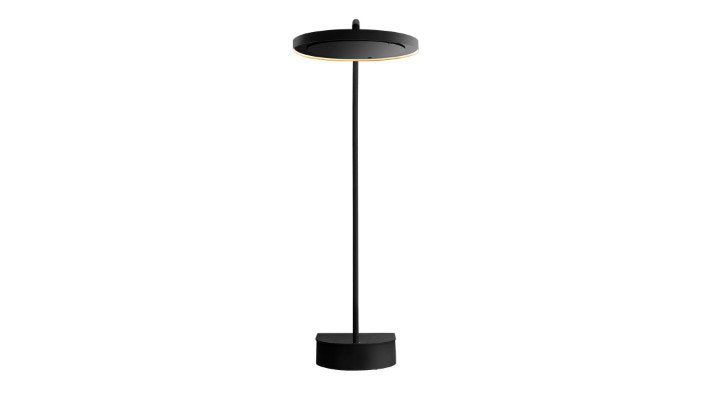
Bromic's Tungsten Smart-Heat Electric illustrates the range well, with options from 2000W covering up to 65 square feet up to 6000W covering up to 160 square feet. The Eclipse Smart-Heat Freestanding pairs 2,900W of directional infrared heat with dimmable warm-white light and rolls into position on integrated wheels. For a space that needs warmth and light in one piece, that combination is hard to beat.
Outdoor Heating Safety Tips for Every Setup
Outdoor heating safety tips come down to clearance, ventilation, and fuel handling. Keep every heater at least the manufacturer's stated distance from combustibles, never place a fuel-burning unit in a fully enclosed space, and check propane connections for leaks before each season.
Bromic Eclipse Smart-Heat® Freestanding →
Electric heaters rated for outdoor use carry water-ingress protection, such as the IPX4 rating on the Tungsten Smart-Heat Electric, which guards against splashes. Gas units need airflow and a stable mount. Store propane tanks upright, outdoors, and away from direct sun.
Smart Controls, Efficiency, and Design Integration
Smart control is where outdoor heating has changed most, and it is also where most buying guides stop short. Compatible controllers let you switch heaters on, adjust output, and pair warmth with your evening routine instead of leaving units running unattended. That control directly affects energy efficiency, since you heat only when the space is in use.
Conclusion
Heating an outdoor space well is a design decision as much as a technical one, and the right answer depends on your measurements, your fuel access, and how you actually gather. The Lavish Sunset offers a curated collection of patio heaters and fire pits, backed by a luxury concierge service that helps you match coverage, mounting, and finish to your space before you commit.
Frequently Asked Questions
What is the most efficient way to heat an outdoor patio?
Infrared heaters warm people and surfaces directly instead of heating the air around them, so less warmth escapes in open or breezy spaces. Electric infrared models convert most of their energy into radiant heat and need no fuel deliveries or tanks. For a covered patio, a wall-mounted or ceiling-mounted electric unit with adjustable heat settings and a compatible controller gives you focused warmth exactly where guests sit, which keeps energy use lower than attempting to warm the entire yard.
Are electric patio heaters better than propane models?
Neither wins everywhere. Electric heaters run quietly, produce no open flame, and plug into a standard outlet, which suits covered patios near the house. Propane models work anywhere without wiring and deliver high BTU output, but you will manage tank refills and allow clearance around the burner. When comparing propane vs electric patio heaters, weigh three things: whether an outlet reaches your seating area, how often you host, and whether you want the convenience of a controller or the portability of a tank.
How do I determine the right size heater for my patio square footage?
Start by measuring the seating zone, not the whole yard. A 2,300W electric heater covers roughly 65 square feet, a 3,400W unit about 108 square feet, and a 4,500W model up to 143 square feet. Gas heaters are rated in BTU, with options covering about 160 to 215 square feet. If your patio is windy or only partially covered, size up one step and aim the heat at people rather than open air.
What safety precautions should I take when using outdoor heaters?
Keep flammable materials, cushions, and table linens well away from the unit, and follow the manufacturer's clearance requirements for walls, ceilings, and floors. Never use a gas heater in an enclosed space without ventilation, and place freestanding models on level ground where they cannot tip. Check cords for damage before each season, keep children and pets at a safe distance, and have a qualified professional install any natural gas line.