Luxury Backyard Design Ideas 2026
Table of Contents
- What Defines Luxury Backyard Design in 2026
- Outdoor Living Rooms, Fire Features, and Sunken Seating
- High-End Outdoor Kitchen Design for Serious Entertainers
- Smart Outdoor Lighting Systems That Set the Mood
- Natural Materials, Sustainable Landscaping, and Biophilic Design
- Smart Home Integration, Zoning, and Maintenance Planning
- Outdoor Living Space ROI: What Your Investment Returns
- Building Your Luxury Backyard Design: Where to Start
- Frequently Asked Questions
Last Updated: August 30, 2026
Luxury backyard design in 2026 represents a genuine shift in how affluent homeowners think about outdoor space. The backyard is no longer a patch of grass you mow on weekends, it is a curated extension of the home, designed with the same intention and craftsmanship you would bring to a primary living room. What separates this year's direction from previous trends is the emphasis on spatial planning and biophilic design working together: naturalistic landscaping meets resort-style hardscape, reclaimed wood sits alongside weathering steel, and the result is an outdoor retreat that feels both organic and architecturally deliberate.
What Defines Luxury Backyard Design in 2026
Luxury backyard design is the practice of transforming residential outdoor space into a fully realized living environment through intentional spatial planning, premium materials, and integrated amenities. The defining characteristic is not cost alone, but the quality of decisions: how zones flow into one another, how lighting transitions from afternoon to evening, and how every material choice reinforces a coherent aesthetic.
The 2026 direction is unmistakably biophilic. Homeowners are prioritizing native plantings, permeable paving, and earthy tones that echo the natural landscape. Gravel courtyards, sculptural water basins, and layered textures in stone and timber are replacing flat, featureless patios. According to the American Society of Landscape Architects' design trend survey, outdoor living spaces and sustainable landscaping consistently rank among the top residential design priorities. The other defining shift is integration: outdoor living rooms, fire features, and spa-inspired pools are no longer standalone amenities but components of unified spatial flow, connected by consistent materials, ambient lighting, and smart controls.
Outdoor Living Rooms, Fire Features, and Sunken Seating
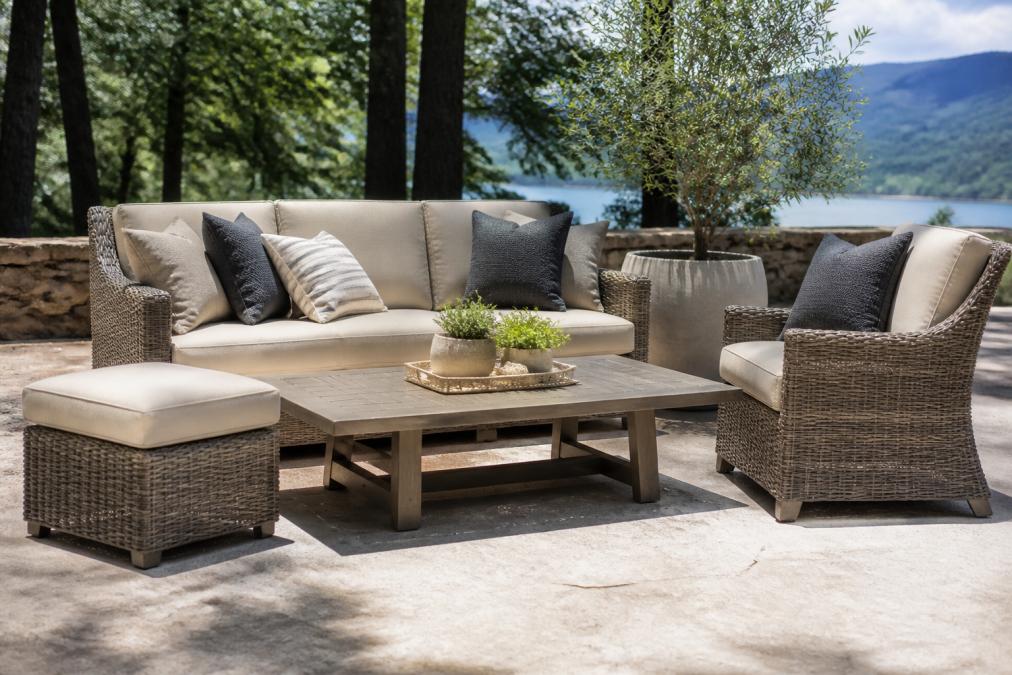
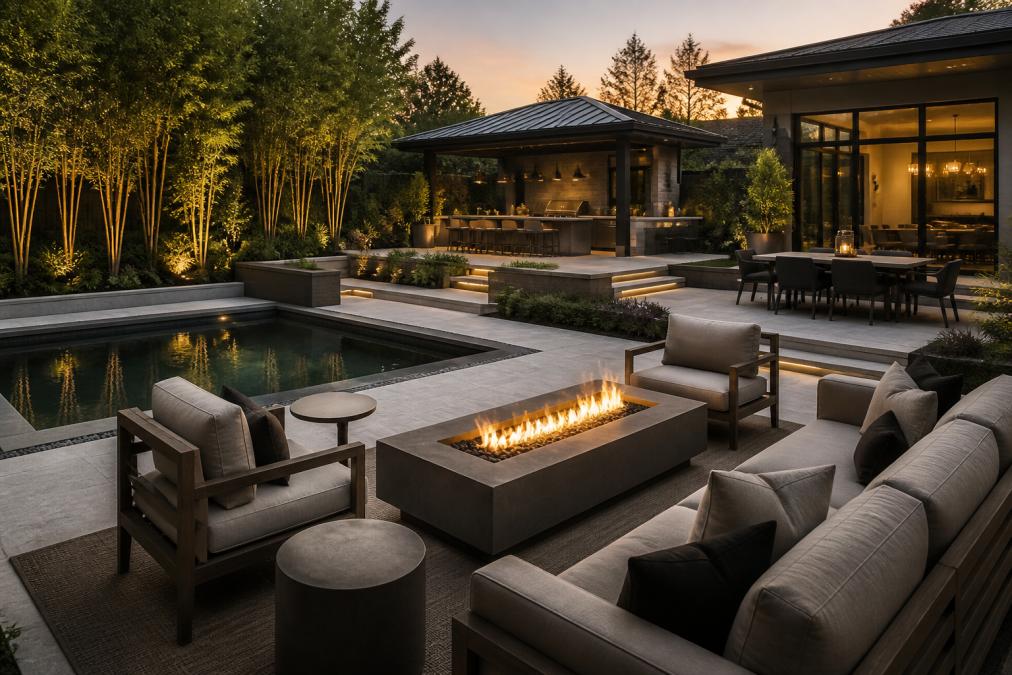
The outdoor living room is the conceptual heart of every serious luxury backyard design project in 2026. Think of it as a fully furnished, weatherproofed social space with defined zones for conversation, dining, and relaxation.
What makes this space work is privacy screening and architectural focal points. Tall ornamental grasses, cedar privacy walls, and pergolas with climbing vines create enclosure without isolation.
Sunken Seating Areas and Built-In Fire Pits
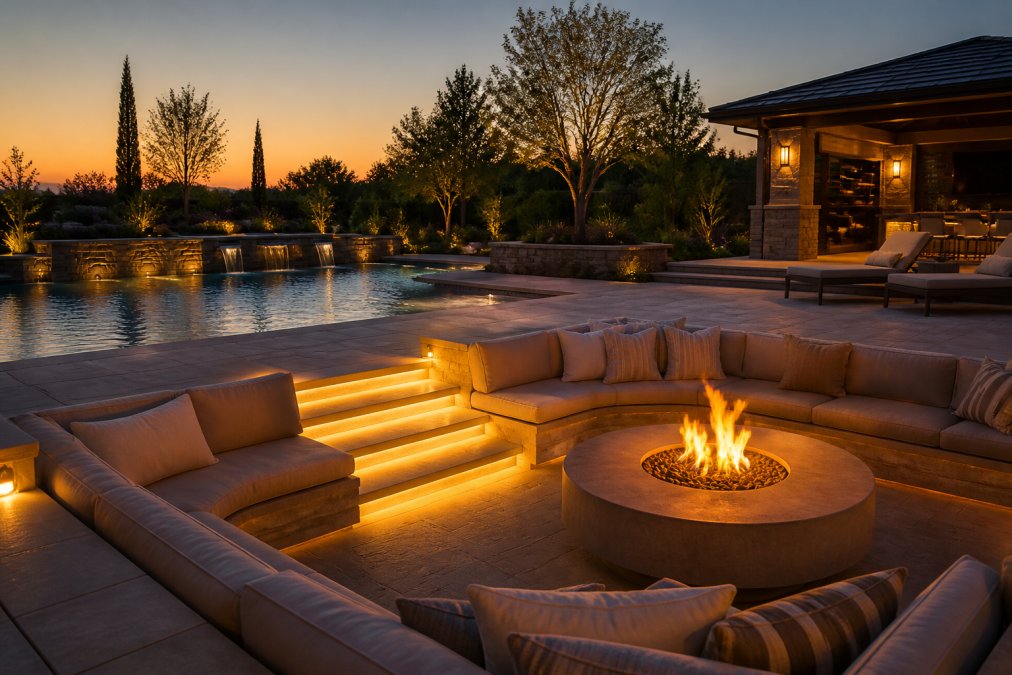
Sunken seating areas are among the most requested luxury backyard features of 2026. Dropping the conversation pit 18 to 24 inches below the surrounding hardscape creates a sense of shelter, brings guests closer to a central fire feature, and visually anchors the outdoor living room within the broader landscape.
Built-in fire pits are the natural companion piece. The Solus Decor Hemi Firebowl exemplifies this category: constructed from ultra-high performance concrete, available in 12 integral colors and three sizes, with cross-jet gas burners rated between 60,000 and 108,000 BTU, it functions as both a heat source and sculptural centerpiece. The weight and permanence of a concrete fire bowl signals that this space was designed to stay.
Resort-Style Pools, Spas, and Naturalistic Landscaping
Spa-inspired pool design in 2026 leans heavily on naturalistic landscaping to blur the boundary between built environment and natural setting. Negative-edge pools, dark-bottom plaster finishes that mirror a mountain lake, and perimeter planting of ornamental grasses and native shrubs create the feeling of a private resort.
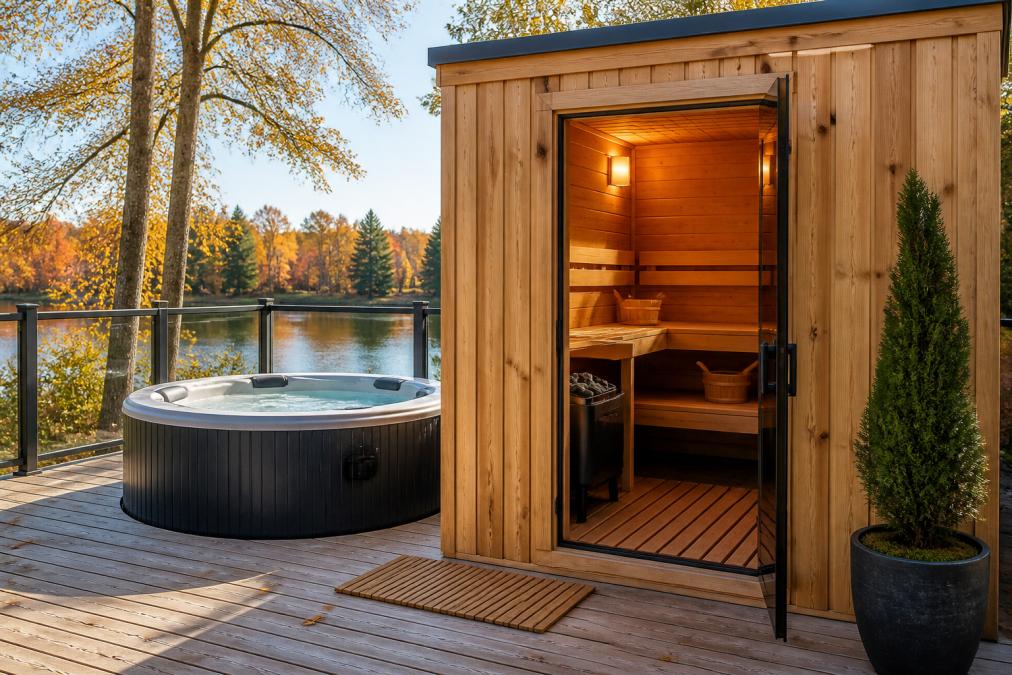
The pool surround matters as much as the pool itself. Permeable paving in natural stone or large-format concrete pavers handles drainage while maintaining earthy tones. Integrated spas with hydrotherapy jets, heated year-round, extend usability well into cooler months. For northern climates, a covered spa with a quality outdoor heater makes the investment genuinely four-season.
High-End Outdoor Kitchen Design for Serious Entertainers
A high-end outdoor kitchen is not a grill on a concrete pad. It is a fully equipped culinary station with dedicated zones for cooking, prep, plating, and service, built from materials that handle weather, grease, and heat without degrading.
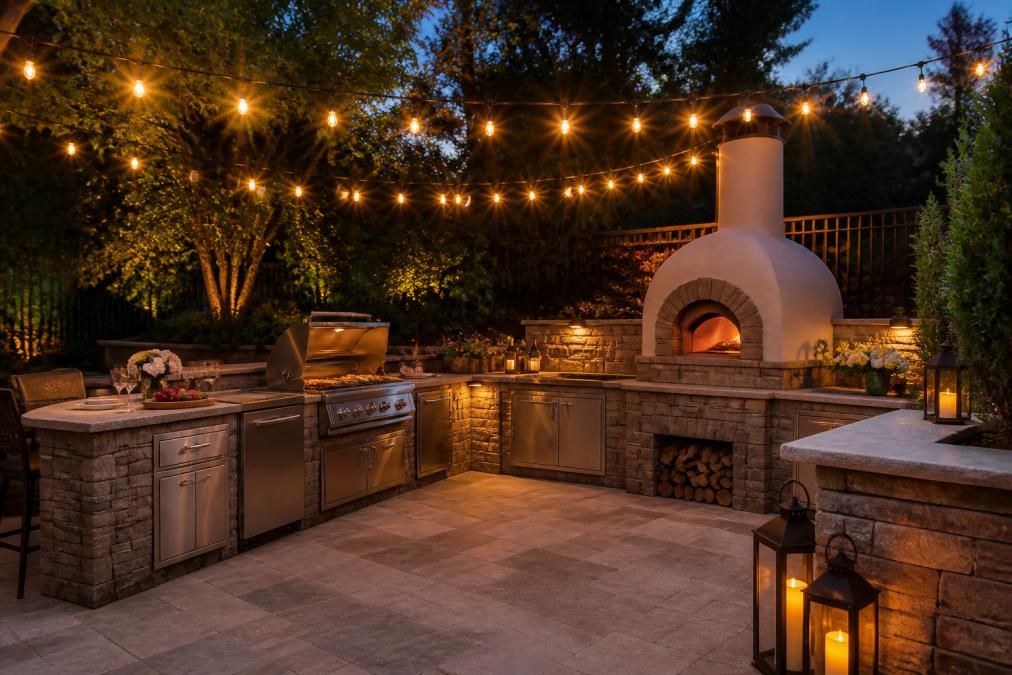
The multi-functional kitchen is the defining feature of the 2026 outdoor entertaining space. The Kalamazoo Outdoor Gourmet Artisan Fire Pizza Oven is a benchmark product: hand-built in Michigan from heavy-gauge stainless steel, it reaches temperatures above 800°F for authentic Neapolitan pizza in under three minutes and handles roasting, bread baking, and searing.
| Kitchen Zone | Core Component | Material Standard | Priority Level |
|---|---|---|---|
| Primary Cooking | Built-in grill or pizza oven | 304 stainless steel minimum | Essential |
| Prep and Plating | Stone countertop with sink | Granite or quartzite | High |
| Cold Storage | Outdoor-rated refrigerator | Marine-grade finish | High |
| Service and Dining | Bar counter with seating | Matching stone or teak | Medium |
| Ambient Heating | Wall or ceiling heater | Powder-coated steel | Seasonal |
Most outdoor kitchen guides miss utility planning. Gas lines, water supply, and dedicated electrical circuits need to be roughed in before any cabinetry or stone work begins. Retrofitting these connections after the fact is expensive and often requires tearing out finished work.
Smart Outdoor Lighting Systems That Set the Mood
Smart outdoor lighting systems define the emotional character of the yard at every hour of the evening, from warm gold dinner light to cool blue for late-night swimming.
The best systems in 2026 use tunable LED technology that adjusts color temperature and intensity on a programmed schedule. Lutron Ketra delivers full-spectrum tunable white light from 1,400K to 10,000K, supports dynamic lighting scenes, and integrates with broader smart home ecosystems. The ability to simulate natural light transitions, warming gradually as the sun sets, has a measurable effect on how long guests stay and how the space feels.
Layered outdoor lighting separates professional installations from DIY setups. It means combining uplighting on specimen trees, pathway lighting at grade, accent lighting on architectural features, and ambient overhead lighting into a single coordinated system. According to the Illuminating Engineering Society's residential lighting guidelines, layered lighting design significantly improves both safety and perceived spatial quality.
Sonos Outdoor Speakers by Sonance integrate naturally into this ecosystem. With an IP66 weatherproof rating and a 6.5-inch woofer, they deliver full-range audio in open-air environments. Paired with an outdoor-rated television like the SunBriteTV Veranda Series, which handles temperatures from -24°F to 104°F with a 4K HDR picture 50% brighter than standard indoor TVs, the result is an entertainment setup that rivals an indoor media room.
Natural Materials, Sustainable Landscaping, and Biophilic Design
Biophilic design incorporates natural elements, patterns, and materials into built environments to strengthen the human connection to nature. In luxury backyard design, it means choosing materials and plantings that feel like they belong to the landscape rather than being imposed on it.
Reclaimed Wood, Weathering Steel, and Permeable Paving
Reclaimed wood, weathering steel, and permeable paving form the material palette that defines the 2026 luxury outdoor aesthetic. Reclaimed wood brings warmth and history to pergolas, privacy screens, and built-in seating, developing a patina over time that mass-produced timber never achieves. Weathering steel develops a rust-colored oxide layer that acts as a self-protecting surface, working beautifully as raised planter edges, retaining walls, or fire pit surrounds.
Permeable paving is both aesthetic and functional. It manages stormwater on site, reduces runoff into municipal systems, and keeps hardscape surfaces cooler underfoot. Gravel courtyards with decomposed granite are the most accessible version; large-format concrete pavers with planted joints are the more polished interpretation.
Native Plantings and Eco-Friendly Softscape Choices
Sustainable landscaping built on native plantings is both an ecological decision and a practical one. Native species require significantly less supplemental irrigation, are naturally resistant to regional pests and diseases, and support local pollinators, reducing long-term maintenance costs and chemical inputs.
The softscape should work in layers: a canopy layer of specimen trees for shade and privacy, a mid-level layer of flowering shrubs and ornamental grasses for texture and movement, and a ground layer of native groundcovers that suppress weeds. According to the U.S. Environmental Protection Agency's guidelines on sustainable landscaping, replacing traditional turf with native plantings can reduce outdoor water use substantially. Smart drip systems with soil moisture sensors and weather-based controllers eliminate overwatering, the leading cause of plant loss in residential landscapes.
Smart Home Integration, Zoning, and Maintenance Planning
Most luxury backyard guides stop at inspiration. This section covers what happens after the design is approved.
Smart home integration for outdoor spaces has matured significantly. Systems like Lutron and Control4 allow homeowners to manage outdoor lighting, irrigation, audio, heating, and pool chemistry from a single interface. The practical benefit is consistency: a programmed lighting scene that activates at sunset every evening creates the resort-quality experience without requiring manual setup each time.
Zoning and permitting is the part of the project that surprises homeowners most. Structures like pergolas, covered outdoor kitchens, and pools typically require building permits. Setback requirements govern how close a structure can be to a property line or easement. Pool fencing is mandated by local codes in most states. Before any design is finalized, a conversation with the local building department is essential.
Maintenance planning is equally important and almost universally skipped during design. Every material choice has maintenance implications. Teak furniture requires annual oiling. Concrete fire bowls need seasonal sealing. Pools require weekly chemical balancing. Weathering steel planters should be positioned away from light-colored stone to prevent rust staining. Building a maintenance schedule into the project from the start prevents the slow degradation that turns a luxury backyard into a neglected one.
Outdoor Living Space ROI: What Your Investment Returns
Outdoor living space ROI takes two forms: financial and qualitative. On the financial side, well-executed outdoor living spaces consistently rank among the highest-returning home improvement projects. According to the National Association of Realtors' Remodeling Impact Report, outdoor features including fire pits, outdoor kitchens, and landscape upgrades deliver strong cost recovery at resale.
The qualitative return is often more meaningful. A private outdoor retreat that gets used four or five evenings a week, year-round, changes the quality of daily life in ways that a kitchen remodel rarely does. The honest answer to "what does this return?" is that it depends entirely on execution. A poorly planned space with mismatched materials will not return its cost. A curated outdoor space with intentional design, quality materials, and integrated amenities will.
Building Your Luxury Backyard Design: Where to Start
The biggest mistake homeowners make is buying products before establishing a plan. The right sequence is:
- Define the primary use case. Is this primarily an entertaining space, a wellness retreat, or a family gathering area?
- Establish the zones. Outdoor living room, kitchen, pool or spa, fire feature, dining. Map them on paper before selecting products.
- Choose a material palette. Two or three primary materials, consistently applied, create visual coherence.
- Plan utilities first. Gas, water, electrical, and irrigation need to be in the ground before any surface work begins.
- Select anchor pieces. The fire pit, the grill, the primary seating set the tone for everything around them.
- Layer in lighting and audio. These finishing elements transform a well-designed space into an exceptional one.
- Build a maintenance plan. Document what the space requires to stay at its best.
The Lavish Sunset curates every element of this process, from premium fire pits and outdoor kitchens to high-quality heaters, furniture, and saunas, all selected for superior craftsmanship and timeless design. A common mistake is underestimating the value of material consistency. Choose a palette and commit to it.
Quality outdoor projects take time to source, permit, and install. Starting the planning process in late fall or early winter means the space is ready for the following spring. The homeowners who end up with the spaces they actually wanted are the ones who started the conversation early.
The challenge with luxury backyard design is not finding inspiration. It is translating that inspiration into a coherent, executable plan with the right products and materials to back it up. The Lavish Sunset was built specifically to close that gap, offering a meticulously curated collection of premium fire pits, outdoor kitchens, saunas, heaters, and furniture, all distinguished by craftsmanship and timeless design. Explore the full collection at The Lavish Sunset and add the anchor pieces that will define your outdoor retreat for years to come.
Frequently Asked Questions
What are the top backyard design trends for 2026?
The dominant trends for 2026 center on biophilic design, resort-style outdoor living rooms, and smart home integration. Homeowners are combining naturalistic landscaping with hardscape elements like permeable paving and reclaimed wood to create curated outdoor spaces. Sunken seating areas around sculptural fire features, spa-inspired pool zones, and layered ambient lighting are all gaining traction. Sustainability is also central, with native plantings and eco-friendly materials replacing high-maintenance turf in luxury backyard design.
What makes a backyard look expensive?
The details that signal luxury are spatial planning, material quality, and cohesion. A backyard looks expensive when every zone, dining, lounging, cooking, and wellness, flows naturally from one to the next. Natural stone, reclaimed wood, weathering steel, and architectural focal points like sculptural water basins or a built-in fire pit all signal craftsmanship. Layered outdoor lighting that shifts from functional to ambient after dark, paired with high-quality furniture built for the elements, completes the resort-style effect.
What backyard designs add the most home value?
Outdoor kitchens, covered living areas, and in-ground pools or spas consistently generate the strongest outdoor living space ROI. A fully equipped high-end outdoor kitchen design can return a significant portion of its cost at resale because buyers treat it as a permanent home feature. Smart outdoor lighting systems and professional-grade hardscape also add measurable value. Buyers in the luxury segment pay a premium for spaces that require minimal work to enjoy from day one.
How do I integrate smart technology into luxury backyard design?
Smart home integration for outdoor spaces typically covers lighting, audio, climate, and security. Systems like Lutron Ketra allow you to program dynamic lighting scenes from an app or voice assistant. Weatherproof outdoor speakers, such as those from Sonos and Sonance, connect to the same ecosystem as your indoor audio. Smart irrigation controllers, motorized privacy screens, and automated fire feature igniters can all be tied into a single hub. Check local building codes before running new low-voltage wiring outdoors.
Do I need permits for a luxury backyard renovation?
Most significant outdoor projects require permits. Structures like pergolas, covered kitchens, and pool enclosures typically need a building permit. Gas line extensions for fire pits or outdoor kitchens require a licensed plumber and gas permit. Electrical work for smart outdoor lighting systems must meet National Electrical Code (NEC) requirements and be inspected. Pool and spa installations are regulated at the state and county level. Always verify requirements with your local building and zoning department before breaking ground.