How Much Does a Luxury Pergola Cost?
Table of Contents
- What Influences the Cost of a Luxury Pergola
- Louvered Pergola Installation Requirements and Costs
- Benefits of Motorized Pergola Roofs
- DIY vs. Professional Installation
- Hidden Costs and Long-Term Value
- Luxury Backyard Design Ideas for 2026
- Making Your Investment Count
- Frequently Asked Questions
Last Updated: September 25, 2026
A luxury pergola transforms your backyard into a sophisticated outdoor retreat. Understanding the true cost goes far beyond the sticker price and involves material quality, installation complexity, customization options, and long-term value considerations that most homeowners don't anticipate until they're deep into planning.
At The Lavish Sunset, we help discerning homeowners navigate this investment with clarity. The cost of a luxury pergola depends on configuration, materials, and installation approach. Let's break down what you're actually paying for.
What Influences the Cost of a Luxury Pergola
The final price you pay for a luxury pergola cost reflects several interconnected factors. Understanding each one helps you allocate your budget wisely.

Material and Construction Quality
The material you choose sets the foundation for both aesthetics and durability. Steel structures provide exceptional structural integrity and support heavier loads. Construction quality matters equally, laser-cut and laser-welded brackets ensure precision fit, and commercial-grade components significantly extend lifespan.
Size and Configuration
Larger structures require stronger framing, deeper foundations, and additional engineering for wind and snow loads. Custom configurations like L-shaped designs, curved structures, or integrated features increase both material costs and labor time.
Attached vs. Freestanding Design
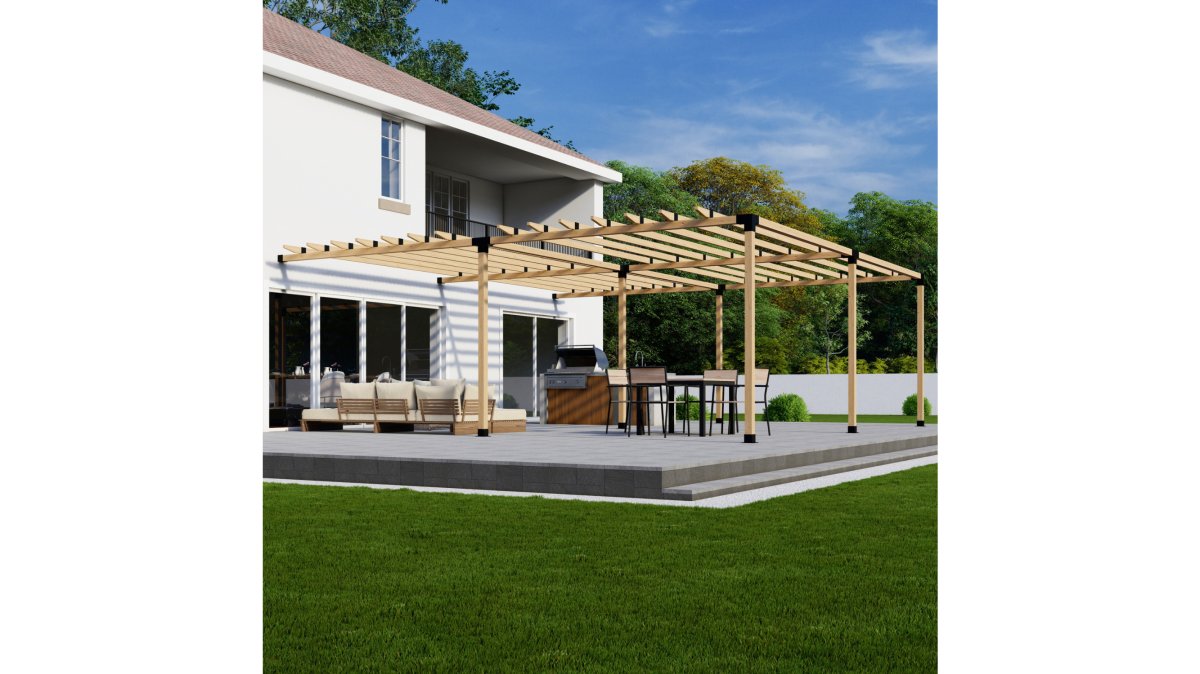
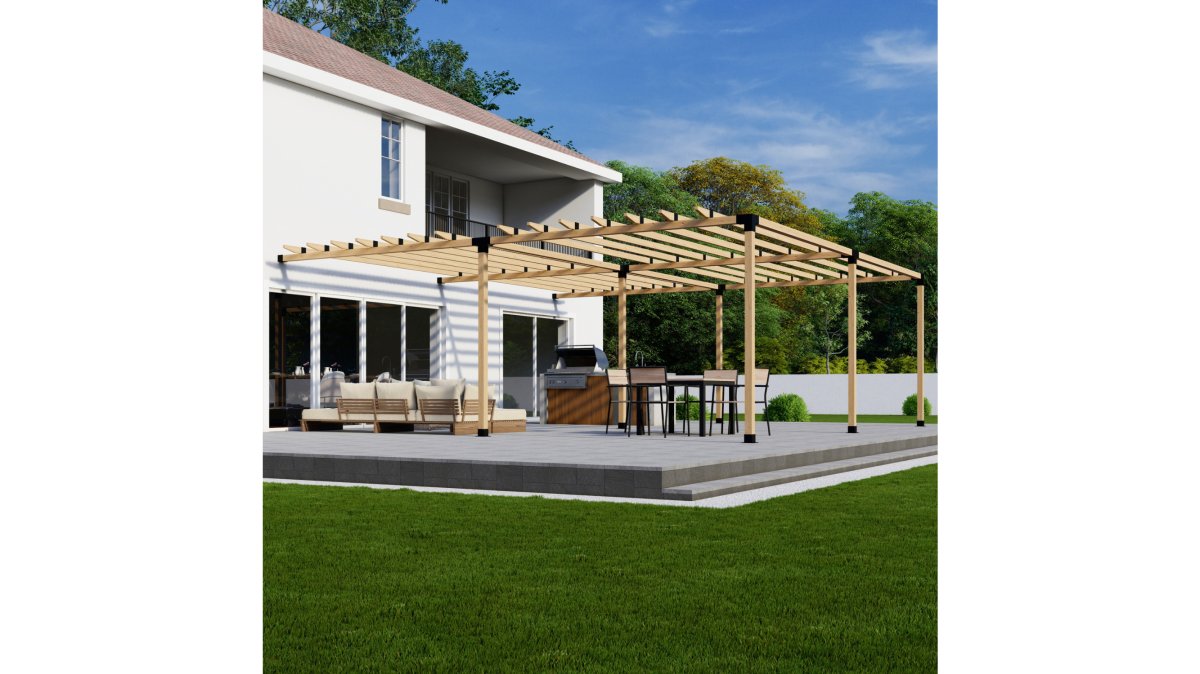
Attached pergolas tie into your home's roof structure or ledger board, requiring careful engineering for water management and load distribution. Freestanding pergolas stand independently, offering more placement flexibility but requiring a solid foundation system for stability.
Louvered Pergola Installation Requirements and Costs
Louvered pergolas require more demanding structural engineering than fixed systems. Moving parts must operate smoothly under load while maintaining integrity, translating to higher material costs and specialized labor.
Benefits of Motorized Pergola Roofs
A motorized pergola roof gives you active control over your outdoor environment. Close slats for shade on hot afternoons, angle them for filtered light in the evening, or trigger automatic closure when rain begins. This control extends your outdoor living season through unpredictable spring and fall weather. Smart home integration lets you operate your pergola from your phone and set schedules based on time of day.
DIY vs. Professional Installation
The choice between DIY assembly and professional installation involves structural engineering, local permitting, site conditions, and building code compliance. The Lavish Sunset offers laser-cut and laser-welded bracket systems for straightforward designs on level ground if you have basic carpentry skills and proper tools.
However, several factors often push homeowners toward professional installation, even if they're comfortable with DIY work:
Structural Engineering and Load Calculations. A pergola must be engineered for wind loads, snow loads, and motorized components. These calculations vary by location, wind speeds, and seasonal snow depth. A professional ensures your design meets local building codes. Undersizing posts or footings creates safety liability and inspection failure.
Foundation and Site Preparation. Your pergola requires footings extending below the frost line (typically 3 to 4 feet in northern regions). Sloped yards, poor drainage, or shallow bedrock require specialized work. Improper foundation work is the leading cause of pergola failure and costly repairs later.
Permitting and Inspections. Most jurisdictions require permits for pergolas, especially attached designs or those with electrical components. A professional installer navigates requirements and coordinates inspections. Unpermitted work can create issues when selling your home or filing insurance claims.
Electrical Integration for Motorized Systems. If you want motorized louvered slats or integrated lighting, electrical work must be performed by a licensed electrician in most jurisdictions. This isn't a DIY task. The electrician runs circuits from your home's panel, installs weatherproof connections, and ensures proper grounding and safety. This work is separate from the pergola assembly itself and adds both cost and complexity.
Attachment to Your Home. Improper attachment creates water intrusion and structural damage. A professional understands flashing and water management to integrate the pergola without compromising your home's envelope.
Timeline and Coordination. Professional installation coordinates site assessment, permitting, foundation work, assembly, and inspections efficiently. DIY projects often stretch across months, delaying enjoyment and potentially increasing costs.
DIY Pergola Bracket Kit for an Attached →
The real cost comparison isn't simply "kit price versus installed price." It's the kit price plus your time, plus the cost of any mistakes, plus the risk of unpermitted work or structural issues that emerge later. Many homeowners find that professional installation, especially for motorized or attached designs, delivers peace of mind and long-term reliability that DIY savings don't offset.
Hidden Costs and Long-Term Value
The pergola structure itself is only part of the total investment. Several categories of costs accumulate during and after installation, and understanding them helps you build a realistic budget.
Site Preparation and Foundation Work. Before a single post goes in the ground, your site must be assessed and prepared. This includes leveling ground, removing existing landscaping, addressing drainage issues, and digging footings below the frost line. In regions with deep frost lines (northern states typically require 3 to 4 feet), foundation work is substantial. In warmer climates, footings may be shallower but still require proper excavation and concrete. If your yard has poor drainage, rocky soil, or slopes, site preparation costs rise significantly. Many homeowners underestimate this line item because it's invisible once the pergola is installed.
Concrete and Structural Materials. Each post requires a concrete footing. A 16' x 12' pergola with six posts might need 6 to 8 cubic yards of concrete, depending on footing depth and diameter. Concrete, delivery, and labor for proper placement and finishing add up quickly. Additionally, any structural modifications to your home (reinforcing a ledger board, adding blocking for attachment points) require materials and labor.
Permitting and Inspections. Building permits vary by jurisdiction but typically involve an application fee, plan review, and inspection fees. Some municipalities charge based on the project value; others use a flat fee. Permit costs generally range from a few hundred dollars to over a thousand, depending on your location and the complexity of your design. The permit process also adds time to your project timeline. Some homeowners skip permitting to save money, but unpermitted work can create issues with insurance claims, home sales, or future renovations.
Electrical Work for Motorized Systems. If you choose motorized louvered slats, rain sensors, or integrated lighting, a licensed electrician must run circuits from your home's electrical panel to the pergola. This includes conduit, wiring, weatherproof connections, and proper grounding. Electrical work typically requires a separate permit and inspection. The cost depends on the distance from your panel to the pergola and the complexity of the system, but budget for this as a distinct line item, not part of the pergola installation itself.
Accessories and Add-Ons. Beyond the basic structure, many homeowners add features that enhance usability and comfort. Integrated lighting (recessed fixtures, string lights, or landscape lighting) requires electrical work and materials. Outdoor heaters extend seasonal usability. Each accessory increases both material and labor costs. A fully featured pergola with lighting and integrated heating can easily exceed the cost of the structure itself.
Regional Labor Rate Variation. Installation labor costs vary significantly by region. Urban areas and regions with higher costs of living typically have higher labor rates. A professional installer in a major metropolitan area may charge substantially more per hour than an installer in a rural area. Additionally, regional differences in building codes, frost lines, and soil conditions affect the scope of work required. A pergola that requires minimal foundation work in one region might need extensive preparation in another. When budgeting, research typical labor rates in your specific area rather than using national averages.
Maintenance and Long-Term Care. The ongoing cost of maintaining your pergola depends on materials. An aluminum pergola with powder-coated finish requires minimal maintenance, occasional cleaning and inspection for any coating damage. A wood pergola demands regular staining or sealing every 2 to 3 years to protect against rot and UV damage. Motorized systems need occasional maintenance of moving parts, electrical connections, and sensors.
Luxury Backyard Design Ideas for 2026
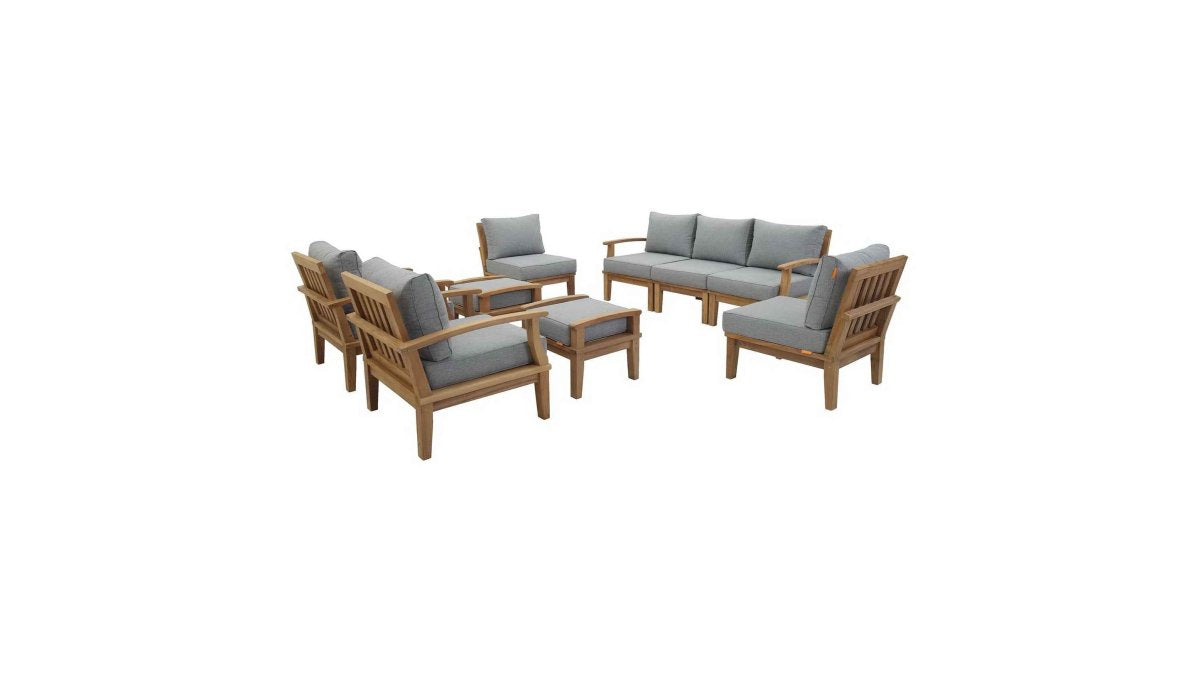
Creating a cohesive luxury outdoor living space means thinking beyond the pergola as an isolated structure. A pergola serves as an anchor point for your broader backyard design, establishing shade, defining spaces, and creating visual structure.
Making Your Investment Count
Your luxury pergola cost represents an investment in how you live, not just what you own. The true value emerges over years of use, afternoon gatherings with friends, quiet mornings with coffee, summer evenings that extend into the cooler hours because you have shade and shelter.
Frequently Asked Questions
What is the typical cost of a premium pergola?
Premium pergola costs vary based on size, materials, and features. A basic DIY bracket kit for an attached pergola starts around $1,275 to $1,471. The total investment depends on whether you choose DIY assembly or professional installation, plus any integrated lighting you add.
How do automated louvered systems impact the total luxury pergola cost?
Pergolas with canopies or roof rafters add substantial value to your outdoor space. These systems allow you to control sun exposure and ventilation. They extend your outdoor living season and provide weather protection, making them worthwhile for homeowners seeking year-round usability.
Do luxury pergolas add value to a home?
Well-designed luxury pergolas can enhance curb appeal and expand functional outdoor living space, which appeals to buyers. The return on investment depends on your market, the quality of installation, and how well the pergola integrates with your home's architecture. High-end outdoor structures often contribute to overall property value, especially when combined with complementary elements like outdoor kitchens or premium furniture.
What maintenance costs should I expect for a high-end pergola?
Maintenance costs depend on materials and features. Steel structures with weather-resistant coatings require minimal upkeep, typically just occasional cleaning. UV-resistant canopies and shade fabrics last longer with proper care. Planning for annual maintenance and occasional repairs helps protect your investment and keeps your pergola looking beautiful for years.
Creating a beautiful outdoor retreat is deeply personal. The right luxury pergola becomes the centerpiece of how you spend time at home, where meaningful moments happen, where you connect with loved ones, and where you find peace in your own backyard. Explore our pergola collections or reach out to our luxury concierge team for personalized guidance in selecting the perfect structure for your outdoor living vision.