How to Choose Fire Pits: A 2026 Buying Guide
Table of Contents
- What to Know Before You Choose Fire Pits
- Gas vs. Wood Burning Fire Pits: Which Suits You?
- Fire Pit Size Guide: Matching Your Space
- Outdoor Fire Pit Safety Standards and Clearances
- Fire Pit Features Worth Paying For
- Furniture Pairing, Seating Ergonomics, and Ambiance
- Maintenance, Winterization, and Long-Term Storage
- How to Choose Fire Pits: Final Decision Framework
- Frequently Asked Questions
Last Updated: August 28, 2026
Choosing the right fire pit shapes every element of your outdoor living space. The options span fuel types, materials, installation requirements, and safety codes, and picking the wrong one means either an unusable feature or a costly redo. This guide cuts through the noise to help you choose fire pits that fit your space, lifestyle, and long-term plans.
A fire pit isn't just a heat source, it's the architectural anchor of your outdoor living space. Get the fundamentals right and everything else falls into place around it.
What to Know Before You Choose Fire Pits
Fire pit selection starts with two foundational decisions: how permanent you want the installation to be, and what aesthetic you're building toward.
Portable vs. Permanent Installation
Portable fire pits sit on legs or a base and can be moved seasonally. They require no permits in most jurisdictions and work on multiple patio surfaces. The trade-off is stability and refinement, they're lighter and don't integrate as seamlessly into a designed landscape.
Permanent installations, built-in fire pits, gas fire tables with natural gas connections, or masonry fire bowls set into hardscape, read as architectural features. They add measurable value to a property and require planning: gas line routing, concrete footings, and in many municipalities, a permit.
For most homeowners planning a high-end backyard renovation: go permanent if you're staying in the home for five or more years. The upfront investment pays off in daily usability and resale appeal.
Fire Pit Shapes, Styles, and Materials
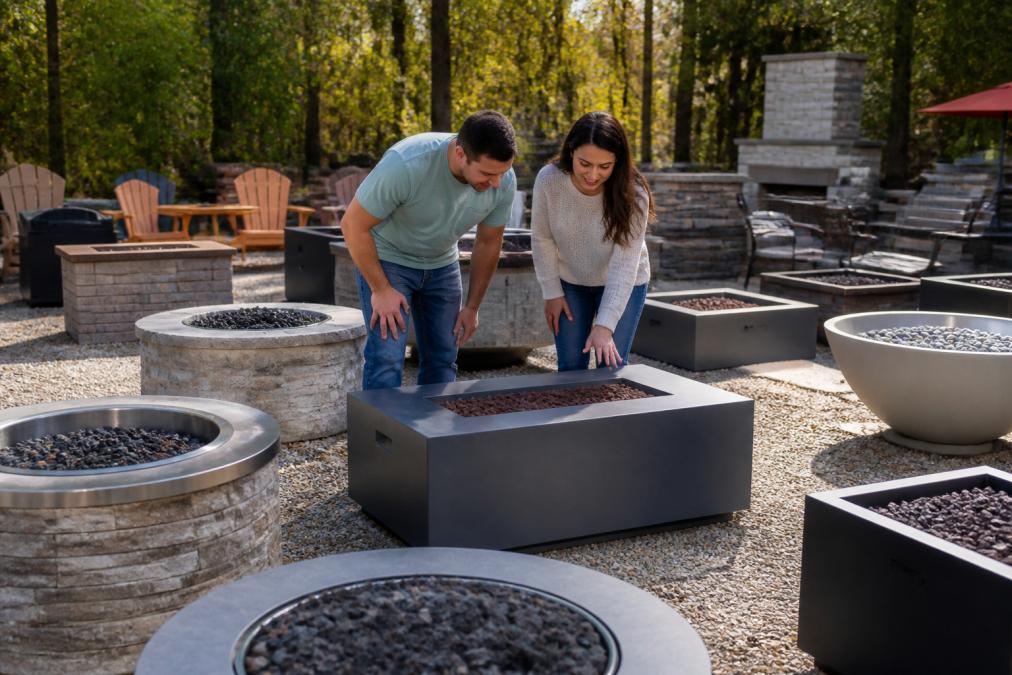
Fire pit dimensions and shape affect both function and furniture layout. Round fire pits encourage conversation by placing guests equidistant from the flame. Square and rectangular fire tables work better against linear architecture and integrate naturally with modular seating.
Material durability varies significantly:
| Material | Rust Resistance | Heat Retention | Weight | Best For |
|---|---|---|---|---|
| Powder-coated steel | Moderate | Low | Light | Portable, seasonal use |
| Stainless steel | High | Low-moderate | Moderate | Modern aesthetics, coastal climates |
| Cast iron | Low (without treatment) | High | Heavy | Traditional style, wood burning |
| Concrete | N/A | High | Very heavy | Permanent, contemporary design |
| Natural stone | N/A | Very high | Very heavy | Permanent, rustic or organic style |
Powder-coated steel is the most common mid-range option, but stainless steel outperforms it in humid or coastal environments. Cast iron holds heat exceptionally well but requires consistent maintenance.
Gas vs. Wood Burning Fire Pits: Which Suits You?
The gas vs. wood burning debate is really a question about how you want to use your fire pit and how much effort you're willing to invest in each use.
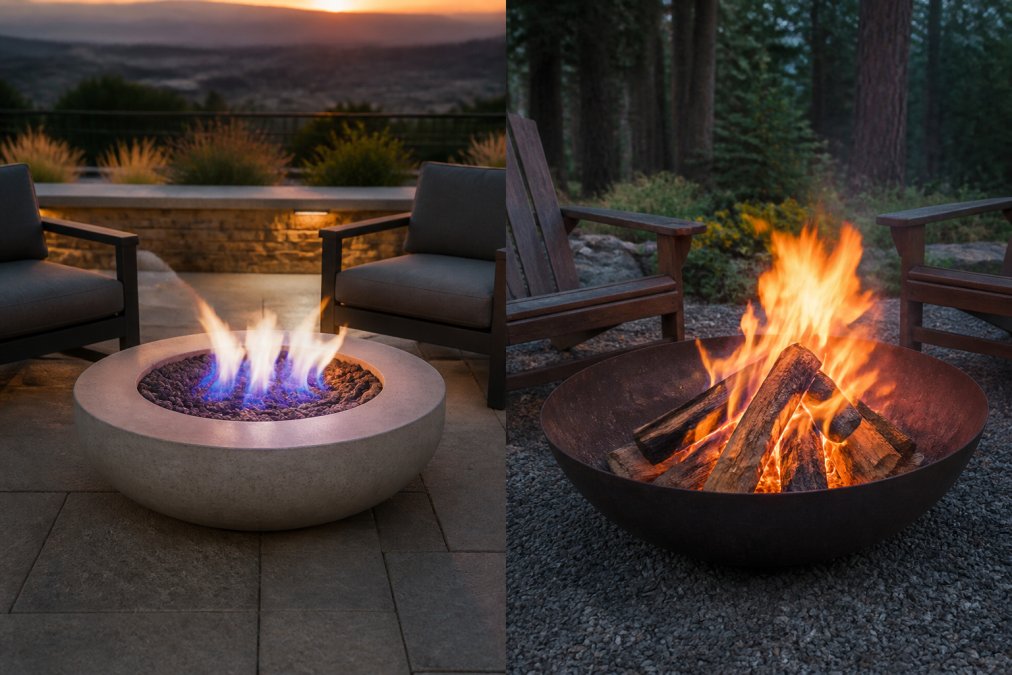
Wood burning fire pits deliver the crackling sound, the smell of smoke, and the ritual of building a fire. They suit spaces where aesthetics lean rustic or traditional. The downsides are real: smoke direction is unpredictable, ash removal is required after every use, and many municipalities restrict wood burning during air quality alerts. According to the U.S. Environmental Protection Agency's guidance on wood smoke, wood combustion produces fine particulate matter that affects air quality, which is why local burn bans are increasingly common.
Gas fire pits, whether propane or natural gas, offer instant ignition, adjustable flame height, and zero ash cleanup. They're cleaner in operation, more neighbor-friendly, and easier to integrate into polished outdoor design.
Propane Fire Pits and Natural Gas Lines
Propane fire pits use a standard 20 lb. tank connected via a gas regulator. Many premium fire tables conceal the propane tank within the base. Propane is portable and requires no infrastructure.
Natural gas fire pits connect directly to your home's gas line via a dedicated line run by a licensed plumber. The installation cost is higher upfront, but you eliminate propane tank refills entirely. For homeowners who use their fire pit frequently, a natural gas connection typically pays off within two to three seasons.
Natural gas installations require a licensed contractor and almost always require a permit. Never connect a gas appliance to a home gas line without professional installation.
Smokeless Technology and Secondary Combustion
Secondary combustion channels preheated air through ports near the top of the fire chamber, reigniting smoke particles before they escape. The result is a dramatically cleaner burn with significantly less visible smoke. For wood burning enthusiasts who want to keep neighbors happy and stay compliant with local air quality rules, smokeless technology is the single most important upgrade available.
Fire Pit Size Guide: Matching Your Space
Most buyers undersize their fire pit. A 24-inch fire bowl looks proportionate in a showroom and disappears on a 600-square-foot patio.
A practical sizing framework:
- Small patios (under 200 sq ft): 24-30 inch diameter fire pit
- Medium patios (200-400 sq ft): 36-48 inch diameter fire pit or fire table
- Large patios and outdoor living rooms (400+ sq ft): 48+ inch fire table or built-in fire bowl
Fire pit dimensions should leave at least 3 feet of clearance between the edge of the fire pit and the nearest seating.
BTU Output, Heat Radius, and Flame Height
BTU output measures heat production. For gas fire pits, output typically ranges from 40,000 to 150,000+ BTUs. Higher BTU output extends the heat radius, which matters most in cooler climates or shoulder-season use.
Match BTU output to your space size and climate:
- Mild climates, covered patios: 40,000-60,000 BTUs sufficient
- Open patios in cooler climates: 80,000-100,000 BTUs recommended
- Large open spaces, cold climates: 100,000+ BTUs for meaningful heat radius
Flame height on gas fire pits is typically adjustable via the ignition system or manual valve. Most homeowners find a mid-range flame height, 6 to 12 inches, balances aesthetics and fuel efficiency.
Outdoor Fire Pit Safety Standards and Clearances
Outdoor fire pit safety is not optional. The National Fire Protection Association's NFPA 1 fire code provides baseline guidance that many local jurisdictions adopt, covering clearance to combustibles, surface protection, and spark containment requirements.
General clearance guidelines for most installations:
- 10 feet minimum from any structure, fence, or overhead covering
- 3 feet minimum from seating or combustible furniture
- Never place on wooden decks without a fire-rated mat or non-combustible patio surface protection beneath
- Spark screen required for wood burning fire pits in most jurisdictions
Gas fire pits have different clearance requirements than wood burning models. Always follow the manufacturer's installation specifications alongside local code.
Local Zoning, HOA Rules, and Permit Requirements
Many HOA communities prohibit open-flame fire features entirely, or restrict them to gas-only with specific installation requirements. Some prohibit fire features within a certain distance of property lines. Before purchasing any fire pit, especially a permanent installation, request a copy of your HOA's CC&Rs and review the relevant sections.
Municipal zoning codes add another layer. Many cities and counties require permits for permanent gas appliances, and some restrict wood burning based on air quality regulations. Your local building department is the authoritative source.
Fire Pit Features Worth Paying For
Not every premium feature justifies its price. These ones do:
- Integrated propane tank concealment: Keeps the visual design clean and eliminates trip hazards.
- Electronic ignition system: Push-button or remote ignition adds convenience and safety. Look for systems with a thermocouple safety shutoff that cuts gas flow if the flame extinguishes.
- Weatherproof cover: A fitted fire pit cover dramatically extends the life of the burner and media.
- Wind guards: Tempered glass wind guards protect flame stability in exposed locations and extend the effective use season.
- Lava rock vs. fire glass: Both are decorative media for gas fire pits. Lava rock retains heat longer; fire glass offers a cleaner, more contemporary aesthetic.
Furniture Pairing, Seating Ergonomics, and Ambiance
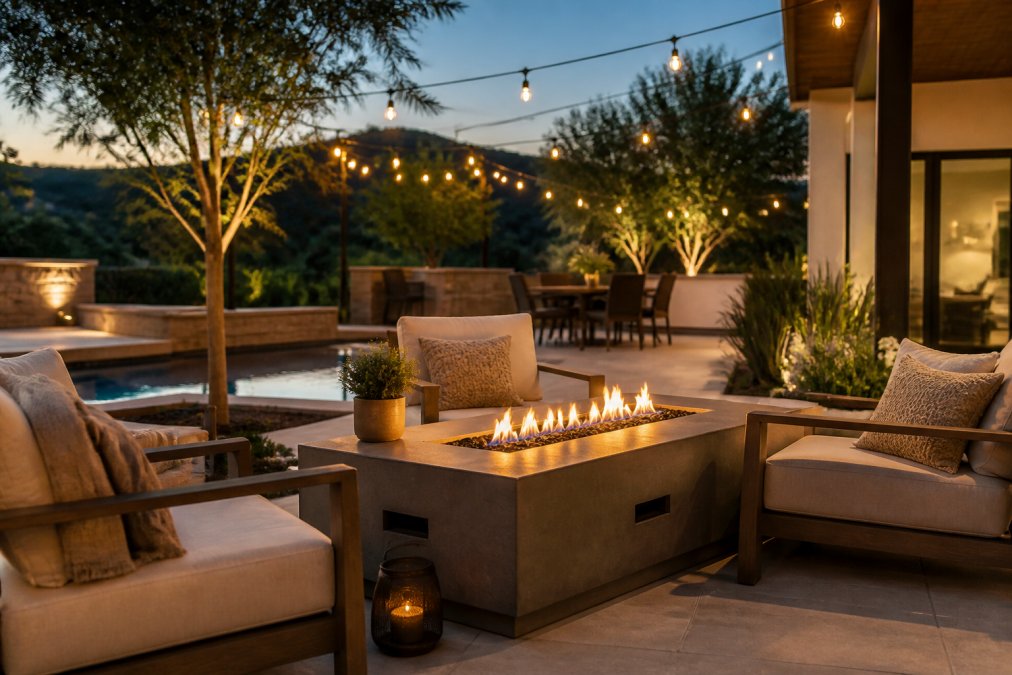
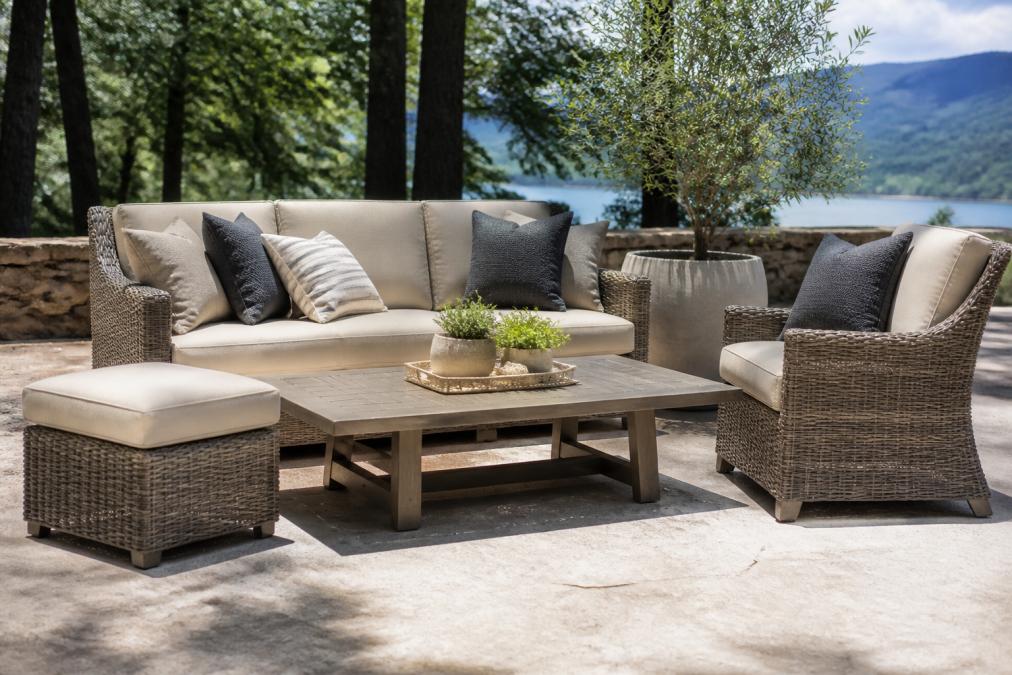
The fire pit is the anchor. The seating arrangement determines whether your outdoor living space actually gets used.
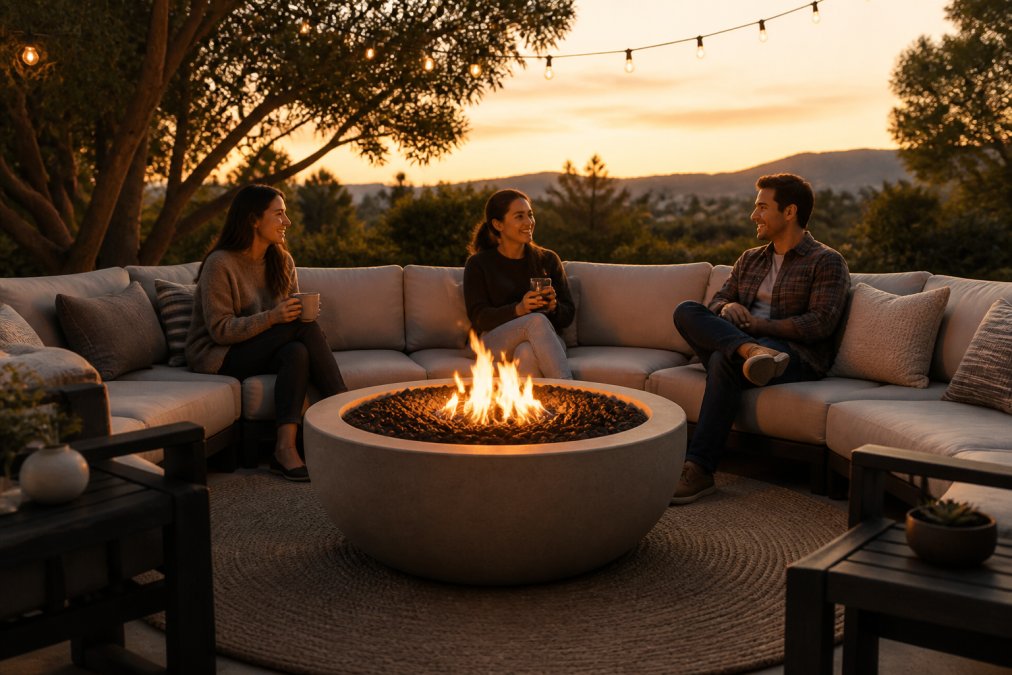
A common mistake is placing seating too far from the fire pit. At 3 to 5 feet from the fire pit edge, guests feel warmth without discomfort. The American Society of Landscape Architects' outdoor living design guidelines recommend designing fire pit seating areas as distinct "rooms" within the landscape, with defined edges and consistent sightlines to the flame.
Seating ergonomics for fire pit use:
- Chair seat height should position occupants at roughly the same level as the fire pit rim for comfortable sightlines
- Deep-seat lounge chairs work well for relaxed evening gatherings; dining-height fire tables suit families who want to use the fire feature during meals
- Sectional seating around a round fire pit creates the most inclusive conversation arrangement
Backyard ambiance extends beyond the fire. Layered lighting, string lights overhead, path lighting at ground level, and the fire itself as the primary focal point, creates the warm, inviting atmosphere that makes an outdoor space feel like a destination.
Maintenance, Winterization, and Long-Term Storage
Most fire pit failures are maintenance failures. A few consistent habits extend the lifespan significantly.
Routine maintenance:
- Remove ash after every wood burning use. Ash retains moisture and accelerates rust in steel fire pits.
- Inspect the gas regulator, hose, and burner ports on gas fire pits at the start of each season.
- Clean fire glass or lava rock annually.
- Apply a high-temperature paint or sealant to cast iron fire pits annually to prevent rust.
Winterization for cold climates:
Freeze-thaw cycles damage concrete and stone fire pits if water infiltrates cracks. Gas lines need to be properly shut off and the system depressurized before temperatures drop below freezing. For propane fire pits, disconnect and store the propane tank in a well-ventilated space, never in an enclosed garage or basement.
Cover the fire pit with a fitted weatherproof cover before the first hard frost. For portable fire pits, indoor or covered storage is ideal. For permanent installations, a quality cover is non-negotiable.
Long-term storage checklist:
- Disconnect and properly store propane tank
- Shut off natural gas supply valve at the source
- Clean and dry fire glass or lava rock before covering
- Apply protective sealant to cast iron or bare steel components
- Install weatherproof cover and secure against wind
- Document any repairs needed for spring service
How to Choose Fire Pits: Final Decision Framework
Choosing fire pits comes down to five variables in sequence. Work through them in order and the right choice becomes clear.
1. Permanent or portable? Permanent installations deliver better aesthetics and long-term value. Portable fire pits offer flexibility and no permit requirements.
2. Fuel type? Gas (propane or natural gas) for convenience and cleaner operation. Wood burning for the authentic fire experience. Smokeless wood burning fire pits bridge the gap.
3. Size and BTU output? Match fire pit dimensions to your patio square footage. Match BTU output to your climate and patio configuration, not to the maximum available spec.
4. Material and finish? Stainless steel or powder-coated aluminum for longevity in humid climates. Cast iron for traditional aesthetics with a maintenance commitment. Concrete or stone for permanent, architectural-grade installations.
5. Features and compliance? Confirm HOA and municipal permit requirements before purchasing. Prioritize a weatherproof cover, electronic ignition with thermocouple shutoff, and propane tank concealment if budget allows.
The Lavish Sunset curates fire pits selected specifically for homeowners building premium outdoor living spaces, pieces distinguished by craftsmanship, material quality, and design coherence that holds up over years of use.
Selecting the right fire pit for a high-end outdoor space requires more than picking a finish you like. The variables, fuel type, sizing, safety clearances, local compliance, and long-term maintenance, all interact, and getting any one of them wrong creates problems that are expensive to undo. The Lavish Sunset offers a meticulously curated collection of premium fire pits built for homeowners who want a refined outdoor retreat, not a product they'll replace in three years. Browse the collection and add the piece that anchors your outdoor space exactly as you've envisioned it.
Frequently Asked Questions
Q: What is the best type of fire pit to buy for a backyard patio?
A: The best type depends on how you plan to use it. Gas fire pits (propane or natural gas) offer instant ignition, adjustable flame height, and no ash removal, ideal for frequent, low-maintenance entertaining. Wood-burning fire pits create a more traditional atmosphere, great for roasting marshmallows, but require more cleanup. For a premium patio, a fire table or fire bowl with a clean-burning gas burner tends to suit high-end outdoor living spaces best.
Q: What are the primary differences between wood-burning, gas, and propane fire pits?
A: Wood-burning fire pits produce authentic crackling flames and smoke, but require dry firewood, produce ash, and face restrictions in some areas. Propane fire pits use a portable tank, no gas line needed, making them flexible and portable. Natural gas fire pits connect to a permanent gas line for unlimited fuel, but require professional installation. Gas options generally offer higher BTU output control, cleaner burns, and less environmental impact than wood.
Q: How do I determine the right size fire pit for my patio?
A: A fire pit size guide starts with your seating area. For intimate settings with 2-4 chairs, a fire bowl 24-36 inches in diameter works well. Groups of 6-8 benefit from a 40-60 inch fire table or pit. Allow at least 7 feet of clearance from any combustible surface to the pit's edge. The heat radius should reach all seats comfortably, check the BTU output rating, as most residential fire pits range from 40,000 to 100,000 BTUs.
Q: What safety regulations should I consider when installing a fire pit?
A: Outdoor fire pit safety standards vary by municipality, but most follow NFPA 1 guidelines requiring a minimum 10-foot clearance from structures and combustibles. Permanent gas installations typically require a licensed plumber and local permit. Many HOAs have additional restrictions on open flames or smoke. Always check local ordinances before installation, use a spark screen on wood-burning models, and ensure gas units have a certified thermocouple and regulator for safe operation.