Benefits of Cold Plunges for Recovery: What to Know
Table of Contents
- How Cold Plunges Support Muscle Recovery and Soreness
- Cold Plunge Duration for Recovery: Finding Your Sweet Spot
- Cold Plunge Safety Tips: Precautions Before You Plunge
- The Benefits of Contrast Therapy for Recovery
- What Not to Do After a Cold Plunge: Rewarming and Recovery
- Choosing a Cold Plunge for Your Home
- Frequently Asked Questions
Last Updated: September 30, 2026
How Cold Plunges Support Muscle Recovery and Soreness
Cold plunges are a form of immersion therapy in which you submerge your body in cold water for a short period, and their recovery benefits come from how the body responds to that cold stress. When you step into cold water, blood vessels near the skin tighten through vasoconstriction, which pushes blood toward your core and reduces swelling in tired muscles. When you step out and warm up, those vessels open again through vasodilation, sending fresh, oxygenated blood back through the tissue.

This cycle is why cold plunges have become a familiar sight in athletic training rooms and, increasingly, in home wellness spaces. Many people find that a brief plunge after a workout eases the ache of delayed onset muscle soreness, often called DOMS, and helps them feel ready for their next session. The cold shock response also triggers endorphin release, which is part of why a plunge can leave you feeling clear and energized rather than drained.
At The Lavish Sunset, we understand the desire for a recovery ritual close at hand. The appeal is simple: a few quiet minutes outdoors, followed by warmth and rest.
Cold Plunge Duration for Recovery: Finding Your Sweet Spot
The right cold plunge duration for recovery is shorter than most beginners expect, and the reason comes down to how cold water affects your core temperature. A common starting point is one to three minutes at a water temperature that feels bracing but manageable, and many experienced users settle into a routine of two to five minutes. Longer is not automatically better. Once your skin goes numb, you have lost much of the sensory feedback that helps you judge when to get out, and pushing past that point can work against you.
Why Water Temperature Thresholds Matter More Than Time
Water temperature threshold is the single biggest variable in a safe, effective plunge. Water conducts heat away from the body roughly 25 times faster than air, so a temperature that feels fine in a pool can feel intense in a plunge tub. Beginners often do well in the range that feels cold but not painful, then adjust downward gradually as they acclimatize. Your core body temperature keeps dropping for a short time after you exit, a phenomenon sometimes called afterdrop, which is one reason to keep early sessions brief. A useful rule of thumb: if you can hold a calm conversation, the water is likely too warm for a recovery plunge. If you cannot control your breathing within the first 30 seconds, it is too cold for your current tolerance.
Adjusting Duration to Your Fitness Level
Individualized dosage matters more than any fixed rule. The table below offers a framework, but the real signal is your own response. If you are new to cold exposure, start with under a minute and build slowly. If you train regularly and recover well, you may tolerate longer sessions. The signal to watch is your own response: shivering you cannot control, numbness, or a feeling of deep chill all mean it is time to get out and warm up.
| Experience Level | Suggested Duration | Water Feel | Frequency |
|---|---|---|---|
| Beginner | 30-60 seconds | Bracing, not painful | 2-3 times per week |
| Intermediate | 1-3 minutes | Cold and steady | 3-4 times per week |
| Experienced | 3-5 minutes | Very cold, controlled | 4-5 times per week |
A Simple Progression Framework
Rather than guessing, use a two-week acclimation block. Week one: three sessions of 30 seconds at a temperature you would describe as "uncomfortably cold but safe." Week two: extend to 60 seconds if week one felt manageable. From there, add 15 to 30 seconds per week until you reach a duration that leaves you feeling refreshed rather than depleted. This approach respects the afterdrop effect and gives your nervous system time to adapt.
Cold Plunge Safety Tips: Precautions Before You Plunge
Cold plunge safety tips start with one principle: never plunge alone, and never plunge in water cold enough to impair your judgment without a plan. Cold water triggers the sympathetic nervous system and a gasp reflex, so entering slowly and breathing deliberately protects you from the shock of the first few seconds.
Keep these precautions in mind:
- Enter gradually rather than jumping in, so your breathing settles
- Set a timer and exit at your planned mark, even if you feel fine
- Skip alcohol beforehand, since it affects how your body handles cold
- Never use a plunge to "tough out" an injury or illness
- Keep a towel, warm clothing, and a warm drink within reach
Who Should Talk to a Doctor First
Cold plunges are not right for everyone. If you have a heart condition, high blood pressure, circulation problems, diabetes, or a history of cold-related reactions, speak with a qualified healthcare professional before you begin. The same goes if you are pregnant or managing a chronic condition. This is educational guidance, not medical advice, and your doctor knows your situation best.
The Benefits of Contrast Therapy for Recovery
The benefits of contrast therapy come from alternating cold and heat, which many people find more comfortable and more effective than cold alone. A typical session pairs a few minutes in cold water with a longer stretch in a sauna or hot tub, repeated for two or three rounds. The heat supports vasodilation and relaxation, while the cold brings the vasoconstriction and mental alertness described earlier.

A Practical Home Protocol
If you are new to contrast therapy, start with a simple ratio: one part cold to two or three parts heat. For example, one minute in a cold plunge followed by two to three minutes in a sauna or hot tub. Repeat for two or three rounds, always ending with heat. This ending-on-heat approach is gentler on the body and leaves you feeling warm and relaxed rather than chilled.
Why Ending on Heat Matters
Ending on heat is not just a comfort preference. After a cold interval, your blood vessels are constricted and your core temperature may have dipped slightly. A final heat round promotes vasodilation, helps restore circulation to your extremities, and reduces the afterdrop effect. It also gives you a clear, pleasant finish to the session, which makes the routine easier to repeat.
Building Contrast Therapy Into Your Home Wellness Space
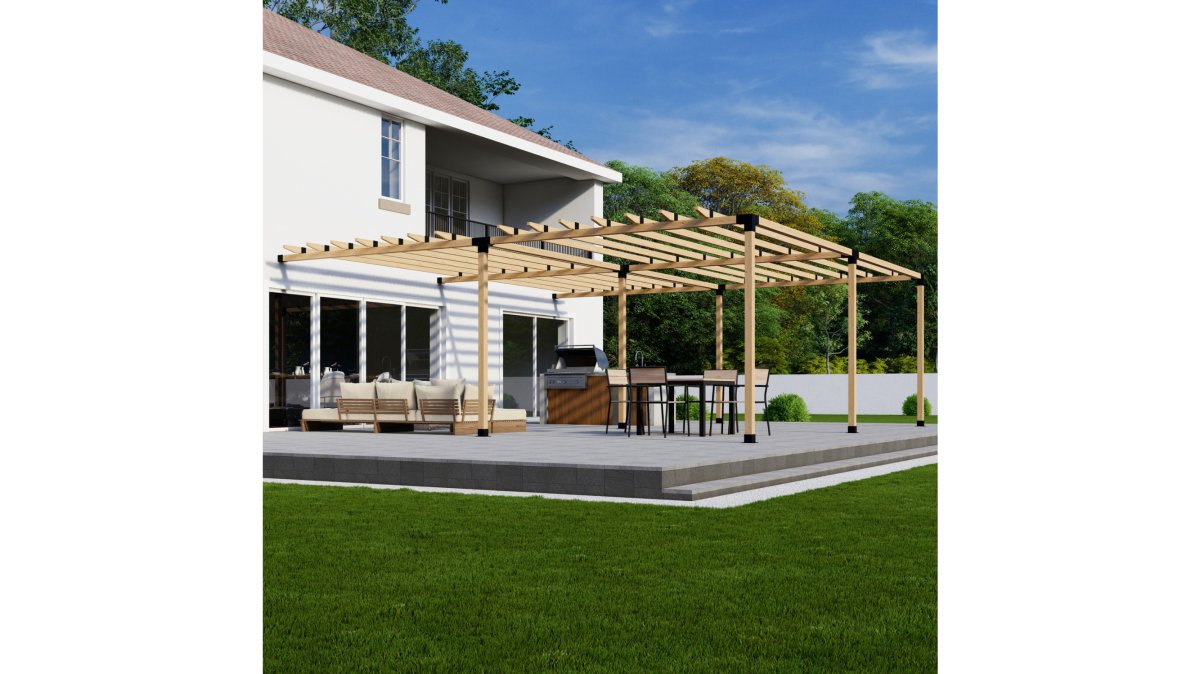
Contrast therapy works best when the two elements are close together. A cold plunge placed near a sauna or hot tub reduces the transition time and keeps the ritual flowing. If you are designing a home wellness corner, think about drainage, slip resistance, and a warm place to sit between rounds. A small bench, a stack of towels, and a place to set a water bottle can make the difference between a routine you keep and one you abandon.
What Not to Do After a Cold Plunge: Rewarming and Recovery
Rewarming is the step most guides skip, and it is where a good plunge can go wrong. After you exit, your core body temperature may continue to fall for a short time, so your goal is to warm up gradually and completely. Reach for dry, warm clothing, wrap up, and let your body come back to normal on its own rather than forcing it.
What to avoid:
- Do not jump straight into a hot shower or hot tub right after a very cold plunge, since a sudden shift can feel jarring
- Do not stay in wet clothing, which keeps pulling heat from your body
- Do not rush back into a workout while you are still shivering
- Do not ignore persistent numbness or a deep chill
Choosing a Cold Plunge for Your Home
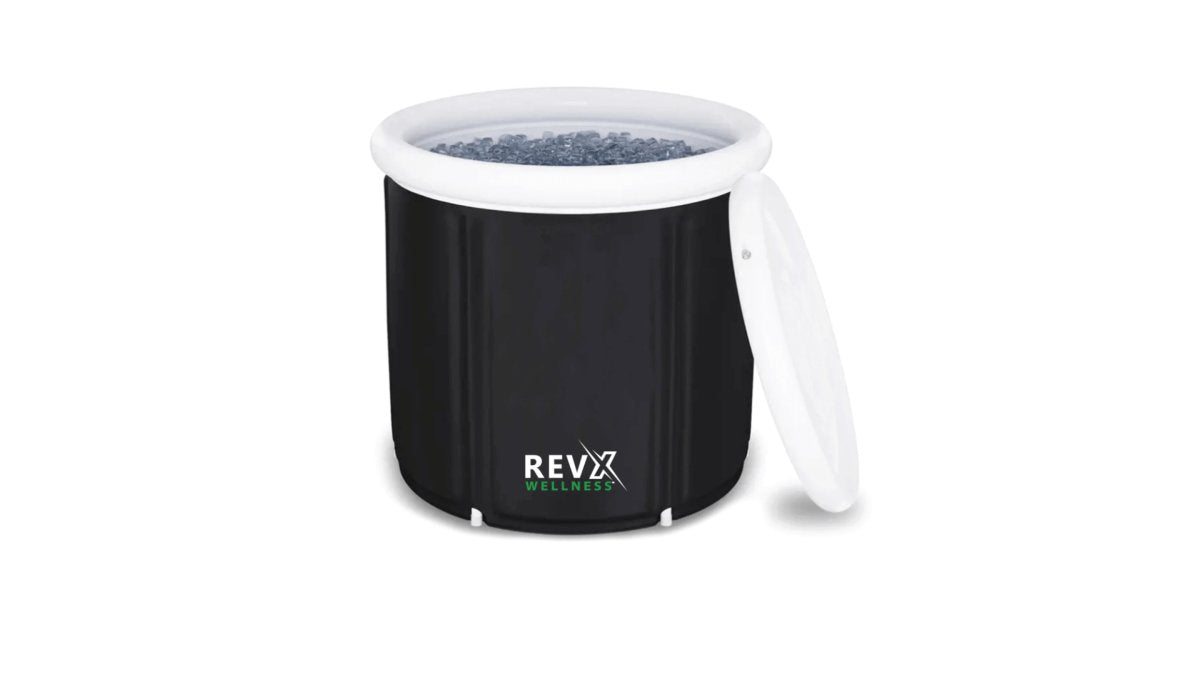
Choosing a cold plunge for your home comes down to space, how you plan to use it, and how much setup you want to manage. Portable, inflatable options suit beginners, renters, and anyone who wants to try cold therapy before committing to a permanent installation. Built-in or commercial-style tubs suit dedicated daily users with a fixed spot in mind.

Frequently Asked Questions
How long should you stay in a cold plunge to see recovery benefits?
Most people aim for two to five minutes in water around 50 to 59 degrees Fahrenheit. Beginners can start with 30 to 60 seconds and build up gradually. The cold plunge duration for recovery matters less than consistency and staying within your comfort and safety limits. If you start shivering hard or feel numb, get out. A timer helps you avoid overstaying, and a slow build over several weeks lets your body acclimatize.
Are cold baths good for muscle recovery?
Cold water immersion can help ease the soreness that follows intense exercise, often called delayed onset muscle soreness, or DOMS. The cold causes blood vessels to narrow, which may reduce swelling and calm irritated tissue. Many athletes also report feeling more refreshed and mentally clear afterward. Results vary by person, so treat cold plunges as one recovery tool alongside sleep, hydration, and proper nutrition, not a replacement for them.
What not to do after a cold plunge?
Skip jumping straight into a hot shower or sauna. Warming up too fast can cause a sudden drop in core body temperature known as afterdrop, which may leave you dizzy or chilled. Instead, dry off, put on warm layers, and let your body rewarm slowly with gentle movement and a warm drink. Avoid driving or strenuous activity until you feel steady, and never plunge alone, especially in open water.
Who should avoid cold plunge therapy for recovery?
People with heart conditions, high blood pressure, circulation problems, or a history of cold-related illness should talk with a qualified healthcare professional before trying cold water immersion. The same goes for anyone who is pregnant or managing a chronic health condition. Cold plunges are educational wellness tools, not medical treatments. If you have any doubt about how your body will respond, get medical guidance first and start with shorter, warmer sessions.