Article: How to Integrate Cold Plunge Recovery Into Your Routine
How to Integrate Cold Plunge Recovery Into Your Routine
Table of Contents
- Understanding Cold Plunge Recovery and How It Works
- How Long to Cold Plunge for Optimal Recovery
- Cold Plunge After Workout: Timing and Best Practices
- Cold Plunge Frequency: How Often Should You Plunge
- Cold Plunge Safety: Essential Guidelines and Warning Signs
- Preparing for Your First Cold Plunge Session
- Building Your Cold Plunge Recovery Practice at Home
- Frequently Asked Questions
Last Updated: October 10, 2026
Understanding Cold Plunge Recovery and How It Works
Cold plunge recovery is the practice of immersing your body in cold water after physical activity to support muscle recovery and overall wellness. At The Lavish Sunset, we help homeowners integrate this powerful recovery tool into their daily routines, transforming their outdoor spaces into personal wellness sanctuaries.
When you expose your body to cold water, your blood vessels constrict, reducing inflammation in your muscles. As you warm up afterward, fresh blood flows back to those areas, supporting the natural recovery process.
How Long to Cold Plunge for Optimal Recovery
The ideal duration for a cold plunge session depends on your experience level and the water temperature. Understanding how temperature affects your body's response helps you choose a safe, effective session length.
Water temperature directly influences how long you can safely stay immersed. Colder water triggers a stronger cold shock response, while warmer water produces a gentler response.
Temperature and duration guidelines:
- Below 50°F (10°C): 1 to 3 minutes. At this temperature, cold shock is pronounced within the first 30 seconds. Your breathing will be rapid, your heart rate elevated, and your muscles tense. This is normal. If these responses settle within 30 seconds, you can continue. Most beginners should not exceed 2 minutes at this temperature.
- 50 to 59°F (10-15°C): 2 to 5 minutes. This is the most common range for home cold plunges. Your body's initial shock is less intense, giving you more time to acclimate. Beginners typically start at the lower end (2-3 minutes) and progress to 4-5 minutes over several weeks.
- 60°F and above (15°C+): 5 to 10 minutes. Warmer water feels less jarring, but the recovery stimulus is also reduced. Sessions in this range are useful for building tolerance before moving to colder temperatures, or for maintenance sessions when you want a gentler approach.
Beginner progression:
Start with 30 seconds to 1 minute regardless of temperature. Over 2 to 3 weeks, gradually extend by 15 to 30 seconds per session. By week 4, most beginners reach 2 to 3 minutes at moderate temperatures (50-59°F). Progress more slowly with colder water.
Why duration matters:
Prolonged cold exposure increases cortisol and can delay recovery if overdone. Shorter, consistent sessions trigger the benefits without excessive stress. A comfortable 3-minute session three times per week often outperforms a longer session done once weekly.
Listen to your body's signals:
Mild shivering and discomfort are normal. Uncontrollable shivering, numbness that doesn't fade quickly, or panic means it's time to exit. Never push through genuine distress to hit a time target.
Cold Plunge After Workout: Timing and Best Practices
The ideal window for cold plunge recovery is within 15 to 30 minutes after your workout, while your muscles are still warm and your body is actively recovering. Your elevated heart rate, fatigued muscles, and responsive nervous system make this the optimal moment.
Cool down with light movement for 5 to 10 minutes, hydrate, then enter slowly. Stay calm and focus on steady breathing. Exit when ready and warm up gradually with dry clothing and movement. Avoid jumping in immediately after intense exercise, and don't wait more than 30 minutes after your workout ends.
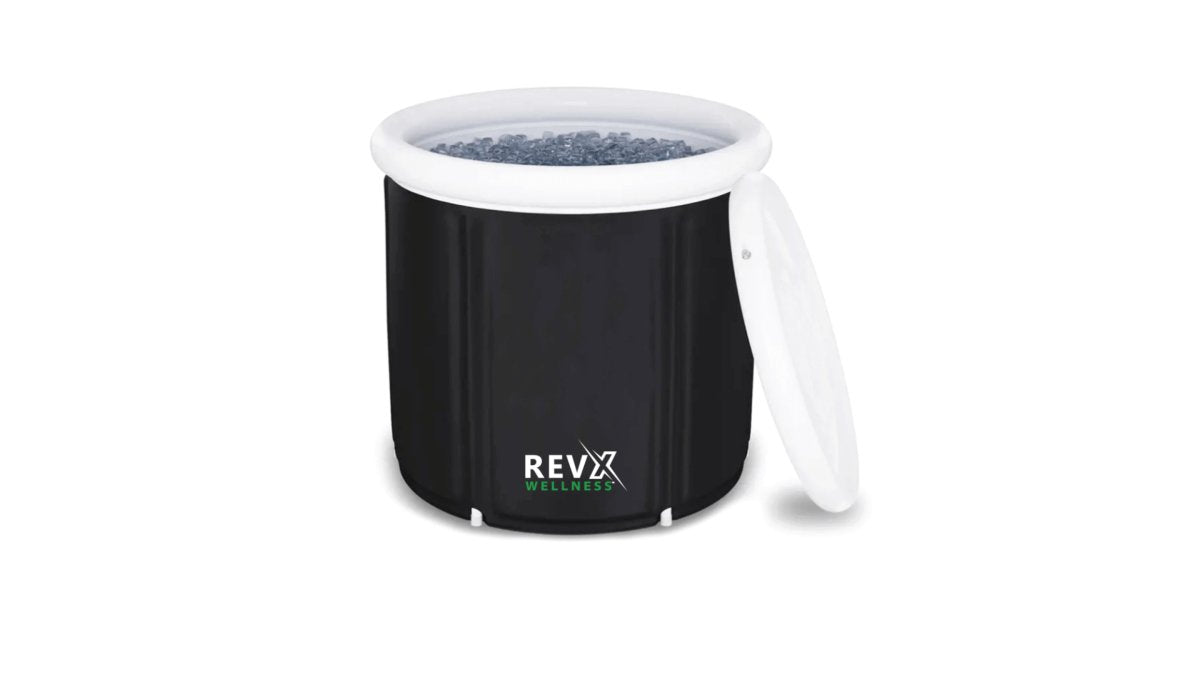
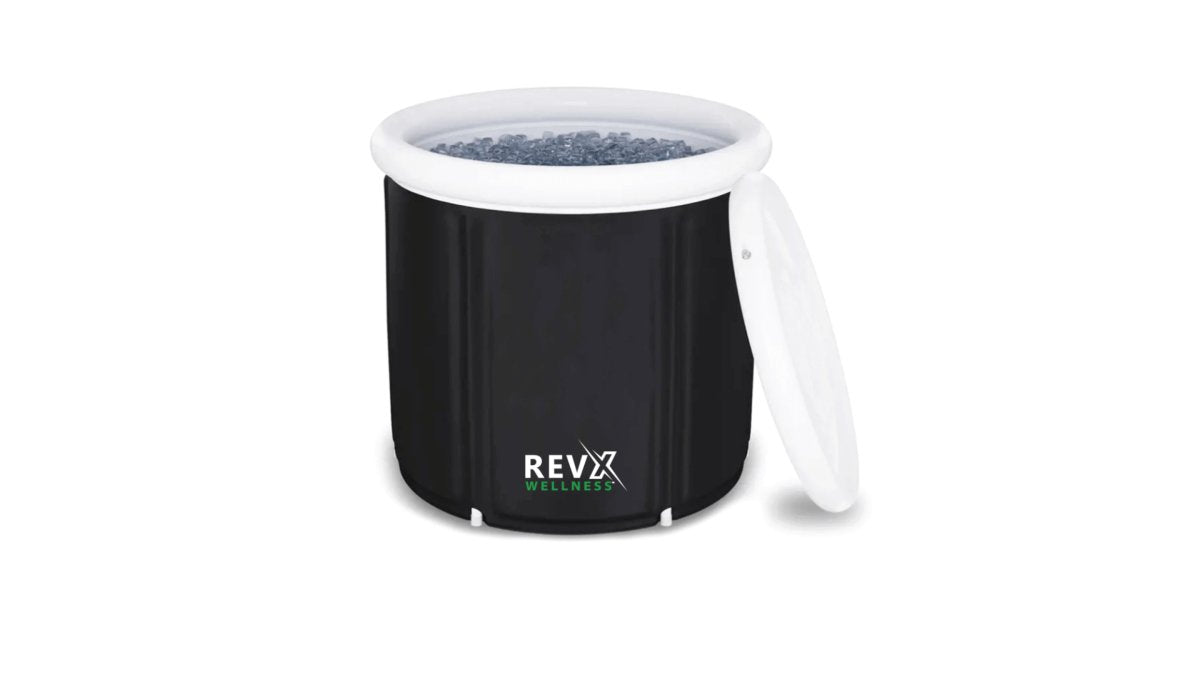
If you're using a portable option like the RevX Inflatable Tub Classic, you can set it up in your backyard and be ready within minutes. This convenience makes it easier to stick to the ideal timing window.

Cold Plunge Frequency: How Often Should You Plunge
Most people benefit from 2 to 4 sessions per week. If you're training hard most days, aim for 3 to 4 sessions weekly. If you train moderately, 2 sessions per week is often sufficient. Adjust frequency based on how you feel during different training cycles.
Never do cold plunge recovery on consecutive days when you're new to the practice. Your body needs time between sessions to adapt and recover from the cold exposure itself. As you gain experience over several months, you may find you tolerate more frequent sessions, but start conservatively.
Cold Plunge Safety: Essential Guidelines and Warning Signs
Cold plunge recovery is generally safe when approached thoughtfully, but several important guidelines protect your wellbeing. Before starting, consider whether cold plunging is appropriate for your health profile.
Who should consult a healthcare professional before cold plunging:
If you have any of the following, speak with a qualified healthcare professional before beginning cold plunge recovery:
- Heart conditions, including arrhythmia, coronary artery disease, or a history of heart attack
- High blood pressure or uncontrolled hypertension
- Raynaud's syndrome or other circulatory disorders
- Diabetes, especially if you have reduced sensation in your extremities
- Pregnancy
- Recent surgery or open wounds
- Severe asthma or respiratory conditions triggered by cold air
- Seizure disorders
- History of fainting or syncope
- Current use of medications that affect heart rate, blood pressure, or circulation
- Hypothyroidism or other metabolic conditions
Your healthcare provider can assess your individual risk and advise whether cold plunging is safe for you, or recommend modifications such as shorter sessions, warmer water, or specific timing relative to your medications.
Recognizing cold shock and normal responses:
Cold shock is a real physiological response your body has when first exposed to cold water. Within the first 30 seconds, you will likely experience rapid breathing, a spike in heart rate, and muscle tension.
If rapid breathing, gasping, or a sense of panic does not settle within 30 seconds, exit the water immediately. This signals that your nervous system is overwhelmed.
Signs to continue safely:
- Controlled, steady breathing
- Alert mind and clear thinking
- Mild discomfort that feels manageable
- Gradual shivering as you warm up after exiting
Signs to exit immediately:
- Gasping or inability to control your breath beyond the first 30 seconds
- Dizziness, lightheadedness, or confusion
- Numbness in your fingers, toes, or face that does not fade within a few minutes of exiting
- Chest pain, tightness, or pressure
- Uncontrollable shivering that intensifies rather than settles
- Loss of coordination or difficulty moving
- A feeling of panic or loss of control
Afterdrop and safe rewarming:
After you exit the cold water, your core body temperature may continue to drop for several minutes. This is called afterdrop.
Never cold plunge alone:
Having someone nearby means you have support if you need help exiting the water or if something unexpected happens. This is especially important during your first several sessions, when you're still learning how your body responds.
Timing considerations:
Avoid cold plunging if you're ill, dehydrated, or extremely fatigued. Your body's ability to regulate temperature and manage stress is already compromised. Wait until you feel well before resuming your practice.
Preparing for Your First Cold Plunge Session
Your first cold plunge session sets the tone for your entire practice. Preparation removes uncertainty and helps you stay calm when the cold hits.
Start by choosing the right environment. You need a clean, safe space where you can enter and exit easily. If you're using a portable cold plunge like the RevX Ice Pod, set it up on level ground in your backyard. Ensure the area around it is dry and clear of obstacles.

Prepare these items before you begin:
- A large towel placed within arm's reach
- A comfortable robe or dry clothing nearby
- A water bottle for hydration
- A timer or clock you can see easily
- Optional: a friend or family member to be present
Set your water temperature appropriately. If you're using ice or a chiller, start warmer than you think you need. Your first session should feel challenging but not shocking. Many beginners find 55 to 60 degrees Fahrenheit more manageable than colder temperatures.
Eat a light meal 1 to 2 hours before your session. You want energy but not a full stomach. Avoid caffeine and alcohol immediately before cold plunging, as they affect your cardiovascular response.
Mentally prepare yourself. Remind yourself that discomfort is temporary and manageable. Take deep breaths before entering. Plan your exact entry method: will you step in slowly or sit down first? Having a clear plan reduces hesitation and keeps you calm.
Building Your Cold Plunge Recovery Practice at Home
Creating a consistent cold plunge recovery practice at home requires thoughtful setup and realistic expectations. The Lavish Sunset offers several options to fit different spaces and budgets, from compact portable designs to larger installations.
Start with a simple, reliable setup. The RevX Inflatable Tub Deluxe accommodates most body sizes and inflates quickly, making it ideal for building a routine.

Establish a schedule and stick to it. Pick specific days and times for your sessions. Monday, Wednesday, and Friday at 7 a.m., for example, creates a predictable rhythm. Your body adapts better to consistency than to random attempts.
Track how you feel before and after sessions. Keep a simple journal noting the date, water temperature, session duration, and how you felt.
Make the space inviting. Place your cold plunge in a location where you'll actually use it. A visible spot in your backyard, near your outdoor seating or fitness area, reminds you to show up.
Build the practice gradually. Your first month is about adaptation, not optimization. Sessions might feel uncomfortable initially, but most people find they become more manageable within 2 to 3 weeks as their body adjusts.
Combine cold plunge recovery with other wellness practices. Use it alongside your regular training, stretching, and sleep. Cold plunge recovery works best as part of a complete approach to health and fitness, not as a standalone solution.
Creating a cold plunge recovery practice transforms how you feel after training and how quickly your body bounces back. Our luxury concierge team at The Lavish Sunset can help you explore cold plunge options that fit your space and lifestyle, ensuring you have everything you need to build a practice you'll maintain. Contact us to discover which cold plunge solution suits your home best.
Frequently Asked Questions
Is a 2-minute cold plunge enough for recovery?
Two minutes can be effective, especially as you build cold tolerance. Beginners often start with 30 seconds to 1 minute and gradually extend duration over weeks. The key is consistency and proper breathing control rather than reaching a specific time. If you're new to cold-water immersion, focus on staying calm and building your tolerance before aiming for longer sessions. Always listen to your body and consult a healthcare professional if you have concerns about cold exposure.
How long should you wait to cold plunge after a workout?
Timing depends on your recovery goals. Cold-water immersion immediately after exercise can help reduce inflammation and muscle soreness, but some athletes prefer waiting 15 to 30 minutes to allow heart rate to normalize. The most important factor is consistency in your routine. If you're combining cold plunge recovery with other recovery methods like stretching or nutrition, space them strategically. Listen to how your body responds and adjust based on your individual needs and recovery preferences.
How often should you cold plunge for recovery benefits?
Most people find benefits from 2 to 4 cold plunge sessions per week, though frequency depends on your fitness level and recovery needs. Beginners should start with 1 to 2 sessions weekly while building cold tolerance. Avoid plunging on consecutive days initially, as your body needs time to adapt. As you progress, you can increase frequency based on your training intensity and how you feel. If you have any medical conditions, consult your doctor before establishing a regular cold plunge routine.
What are the main safety concerns with cold plunging?
Key safety considerations include cold shock response (sudden gasping and rapid breathing), hypothermia risk with prolonged exposure, and increased heart rate and blood pressure. Exit immediately if you experience dizziness, numbness, confusion, or uncontrollable shivering. Never plunge alone, especially as a beginner. Avoid cold plunging if you have cardiovascular conditions, uncontrolled high blood pressure, or other medical concerns. Always warm up gradually afterward and consult a healthcare professional before starting, particularly if you take medications or have existing health conditions.